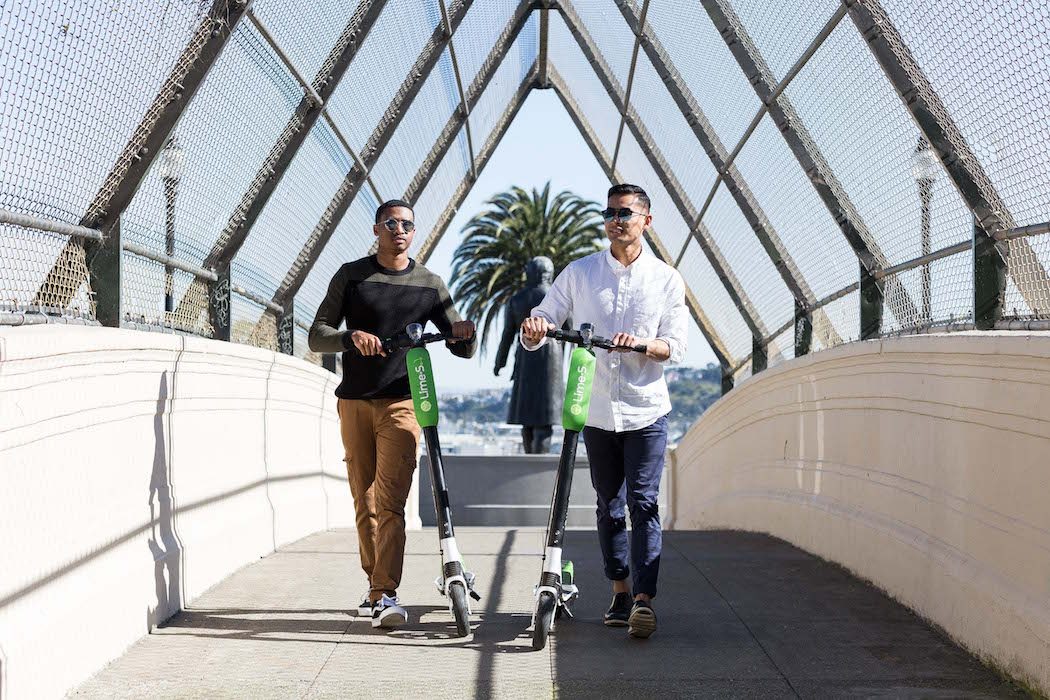
Photo by Carly Mask via LimeBike
Last fall, neighbors saw a trickle and then a deluge of rental bikes in East Dallas. Though the number of bikes in Dallas peaked at 18,000 in the winter and are now down to 9,000, there hadn’t been any regulations on how the bike-share operators would interact with the City of Dallas — until now.
This week, the Dallas City Council made rules for bike-share companies and granted a six-month trial period for electric scooters.
The council set fees and limits on the companies, but not everyone is happy. For rental bike companies such as ofo and LimeBike, there will be an $808 application fee coupled with a $21 per bike charge.
In addition, the operators must pick up any bikes reported to 311 that are blocking sidewalks or have fallen over within two hours during the day and 12 hours if reported at night. They also have to share data with the city about the frequency and location of the rides four times per year.
The general manager of ofo Texas told the Dallas Observer that Dallas’ high fees will hamper the company’s ability to provide service to areas outside of downtown.
“These exorbitant fees would be among the highest in the country and severely limit residents’ access to affordable, convenient transportation as providers focus solely on the urban core where demand is highest, harming those in underserved areas who truly need more choice,” he told the Observer.
In many cities, alternative transportation options like electric scooters and bike rentals are seen as solutions to traffic congestion, pollution, and lack of convenient transit options. As urban areas continue to face growth and congestion, these services are becoming increasingly important for providing residents and tourists with affordable and flexible ways to get around.
For instance, in places like Hawaii, scooter rentals offer an exciting way to explore the islands with ease. Companies like www.scooterrentalhawaii.com provide an efficient and eco-friendly way for visitors to enjoy the scenery while avoiding the hassle of traditional car rentals. Whether it’s a scenic ride along the coast or a quick trip to a local restaurant, scooter rentals serve as a practical alternative to cars and buses, giving people more freedom to explore without the stress of finding parking or dealing with traffic.
These services are growing in popularity, and as cities like Dallas refine their regulations, it will be interesting to see how other regions balance accessibility with sustainability in their transportation strategies.
For some neighbors, limiting rental bikes might not be a bad thing. The City Council passed the new bike-share regulations unanimously.
There will be a trial period for the electric scooters that LimeBike and another company, Bird, hope to bring to Dallas. Though Mayor Pro Tem Dwaine Caraway pushed to decide later on scooters while the city tests the waters with the bike-share regulations, he was voted down.
The council later approved a six-month trial period for the electric scooters, which will be picked up every night for charging. They are not allowed on sidewalks downtown or on any street with a speed limit above 35.