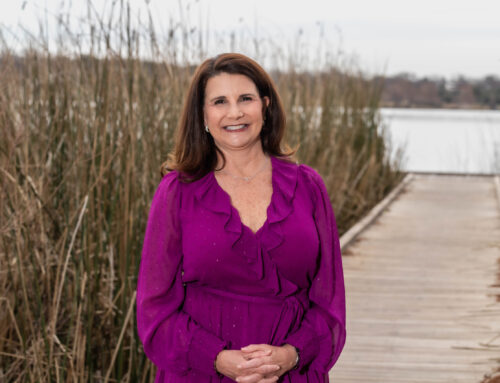
After years in theater in many roles – including acting, directing and producing – Linda Marie Ford, Pam Myers-Morgan and Suzy Blaylock were acutely aware of how traditional theater seasons are programmed mainly with works by male playwrights.
That realization eventually translated into action, as these neighborhood residents founded the non-profit Echo Theatre – dedicated to “unearthing the power of the female theatrical voice.”
That “voice,” they stress, is not of a piece. There is no such genre as “women’s theater,” and theatergoers can expect as much variety in subject matter, perspective and presentation as found anywhere.
“Many women have different voices,” Ford says. “We’re looking for works that speak to us, works with strong female voices.”
The first project from Echo came in May with a public reading of “Marsinah: A Song of the Underworld” by Indonesian playwright Ratna Sarumpaet. The play was banned in Indonesia, but Sarumpaet read from it at several international conventions.
Echo Theatre was one of several organizations across the country to work with Amnesty International to present this play following the imprisonment of Sarumpaet and eight of her colleagues for participating in a peaceful, pro-democracy Peoples’ Summit.
The play, based on a true story, is set in the afterworld and tells of a woman who spoke up about abuses against workers in factories and was murdered in retribution.
The partners had not planned to sponsor a production until the summer, but found the opportunity to free a voice that had literally been imprisoned impossible to pass up.
The inaugural season will open in August with the area premiere of Heather McDonald’s “Dream of a Common Language,” which takes place in 1874 Paris and explores the balance between a woman’s artistic life and society’s constraints. “Dream of a Common Language” will be at The Basement Space, 3200 Main Street, Aug. 6-29.
In addition to full productions, Echo Theatre will present readings and female performance artists from across the country.
“These are performers that Dallas audiences may not be able to see,” says Blaylock.
Echo Theatre does not yet have a performing space. Its offices consist of the cafŽ space at Borders, where the three partners meet weekly to plan, sometimes with their young children in tow. These are the kind of nuts-and-bolts arrangements that will come in time, and that’s OK, say the founding partners- they fully expect the theater to be part of Dallas for many more years.
“We see ourselves as not just part of Dallas’ artistic community, but part of Dallas’ community,” says Myers-Morgan. “We want to try to get theater out to people who wouldn’t ordinarily see it,” such as to those in shelters.
“For every fund-raiser, a portion will always to a service organization.”
Blaylock points to the symbolism of the spiral that is used in the Echo logo for her description of the theater’s future: “The possibilities are absolutely endless.”