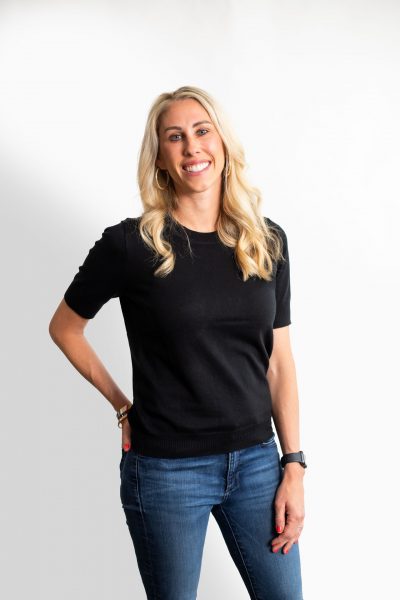
Photography by Jessica Turner.
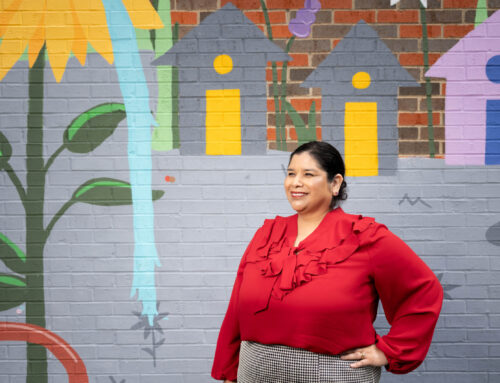
TARA CAVAZOS’ family health clinic resembles Cheers, that neighborhood bar from ’80s television. Check in with a cough or a rash, and you’ll get a hearty reception at the clinic where everybody knows your name.
After graduating from nursing school at Baylor University, Cavazos worked in a pediatric ICU while studying to become a nurse practitioner, then served in West Dallas, treating mostly uninsured patients who spoke limited English. She later went to work for Catapult Health, which specializes in corporate wellness and employee health. Cavazos had her hands full with her job at Catapult, her doctoral program and her third baby on the way when a friend proposed starting a family practice. Lakewood Family Health opened in 2016.
“We aren’t trying to compete with big-box medicine, but we felt they were treating people like a number,” she says. “When we schedule patients, we block 30 minutes so there’s time for us to be in the room and not just talk about what they’re coming in for — a rash or cold — but what they’ve done this summer and how is the family. It helps us take care of our patients better.”
Tara Cavazos’ approach to family medicine truly feels like stepping into a welcoming community rather than a sterile clinic. By blocking 30-minute appointment slots, she and her team aren’t just treating symptoms—they’re taking the time to listen to patients’ stories, understand their families, and build trust. This model reminds me of how meaningful relationships can transform healthcare into something more holistic: when a patient comes in for a simple rash or a lingering cough, the conversation naturally broadens to include lifestyle habits, emotional well-being, and social support systems.
That intentional slowing down of the process allows Cavazos to catch subtleties that might otherwise be missed in a rushed, impersonal visit. Her practice underscores the idea that healing is as much about connection and empathy as it is about medical interventions.
In today’s digital age, that same spirit of patient-centered care can extend far beyond the walls of a physical clinic, thanks to the rise of online nursing jobs. Nurses who might have once felt tethered to a brick-and-mortar facility now have opportunities to support patients remotely—whether through telehealth triage, virtual wellness coaching, or managing chronic conditions via video check-ins.
This flexibility not only helps healthcare providers find a better work-life balance but also enables clinics to broaden their reach. By embracing remote nursing roles, the industry as a whole can marry the personalized warmth of a community clinic with the convenience and accessibility of digital care, ensuring patients receive attentive support no matter where they are.
Lakewood Family Health treats a little of everything — cough, cold, runny nose, physical and wellness screenings and chronic disease management. It also has an aesthetic side, doing Botox, fillers, laser hair removal and microneedling.
When the pandemic erupted, Cavazos’ crew adapted quickly. The back parking lot was converted to a drive-up COVID testing center. Telehealth visits became common for simple evaluations.
About 15 percent of Lakewood Family Health patients choose self-pay instead of Medicare or commercial insurance, and the clinic makes that easy by negotiating reduced lab fees and listing those charges up front. They know budget-conscious patients sometimes skip labs and miss diabetes or kidney failure diagnoses.
On social media, Cavazos is often asked about bug bites, sports injuries and allergic reactions. She enjoys helping friends and neighbors but admits she struggles to find those boundaries.
“A lot of our patients are busy working moms like us,” she says. “People send me pictures, ‘How serious is this rash? Does this cut need stitches? Should we get an X-ray?’ When things happen, there’s a lot of fear. People don’t know what to do. I help patients come up with a plan.”