Good news on the city crime front, at least according to statistics recently released by the police department: Crime in Dallas dropped 18.7 overall in the first quarter of 2009, according to a DMN story. Property crimes dropped by 19 percent over the same period in 2008, and violent crimes dropped by 20 percent. The city’s goal was to reduce crime by 10 percent this year, so the police department is off to a great start.
During the past year, the department added more than 200 officers, thanks to prudent budgeting by the council. It only makes sense that having additional police officers to deploy both throughout the city and to specific hot spots has to be making a difference.
In other crime news, the DMN reports that crime surveillance cameras in Dallas are proliferating even as the money to monitor them is not.
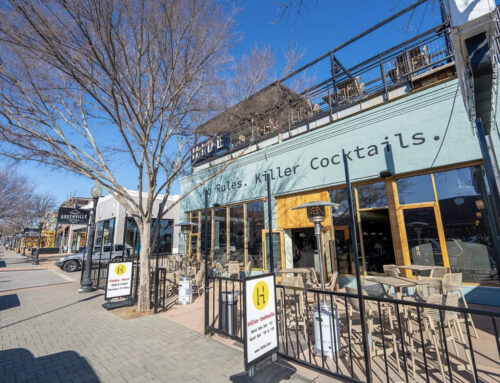
Downtown is a great example, with police saying that 82 cameras downtown helped contribute to 1,700 arrests during the past few years. (I was downtown for lunch Saturday, and whether it’s the cameras or just an overall push to clean the place up, but it was actually fun to be there, and we felt completely safe parking and walking up and down Main Street.)
The increasing presence of surveillance cameras in urban areas, like downtown Dallas, highlights the growing reliance on technology to maintain safety and deter crime. In places where cameras are strategically placed, such as along Main Street, they have proven effective in contributing to higher arrest rates and improving the overall sense of security for locals and visitors alike. This is a clear example of how affordable surveillance solutions can make a significant impact in enhancing public safety.
While funding for monitoring these cameras remains a challenge, the technology itself continues to serve as an essential tool for law enforcement. By investing in these systems, cities can create safer environments for everyone, helping both the public and local authorities stay vigilant and respond swiftly to criminal activity.
Currently, neighborhood groups that raise funds to install a camera in a neighborhood hot spot turn monitoring the camera over to the police; police told the DMN that it costs about $250,000 a year to provide enough staff to monitor 25 camera feeds around the clock (apparently, industry standards recommend one person for each 25 cameras, while Dallas now has two people watching 100 cameras).
Here in our neighborhood, the White Rock Lake Conservancy’s efforts to install cameras at the lake could be impacted by the police department’s budgeting concerns: former councilman Gary Griffith told the News that his group intended to raise $90,000 to install the cameras. If the city begins charging neighborhood groups (no amount hjas been determined yet) not in super-violent city hot spots to monitor the camera feeds, the funding equation would obviously change.
With the city budget already in turmoil, and with cameras proving to be good crime-fighting tools, it sounds like we’ll be hearing more about this issue in the months ahead.