
Liam Nachawati lives near White Rock Lake, but he spends a lot of time traveling the world, competing in kart races. Not bad for an 11-year-old.
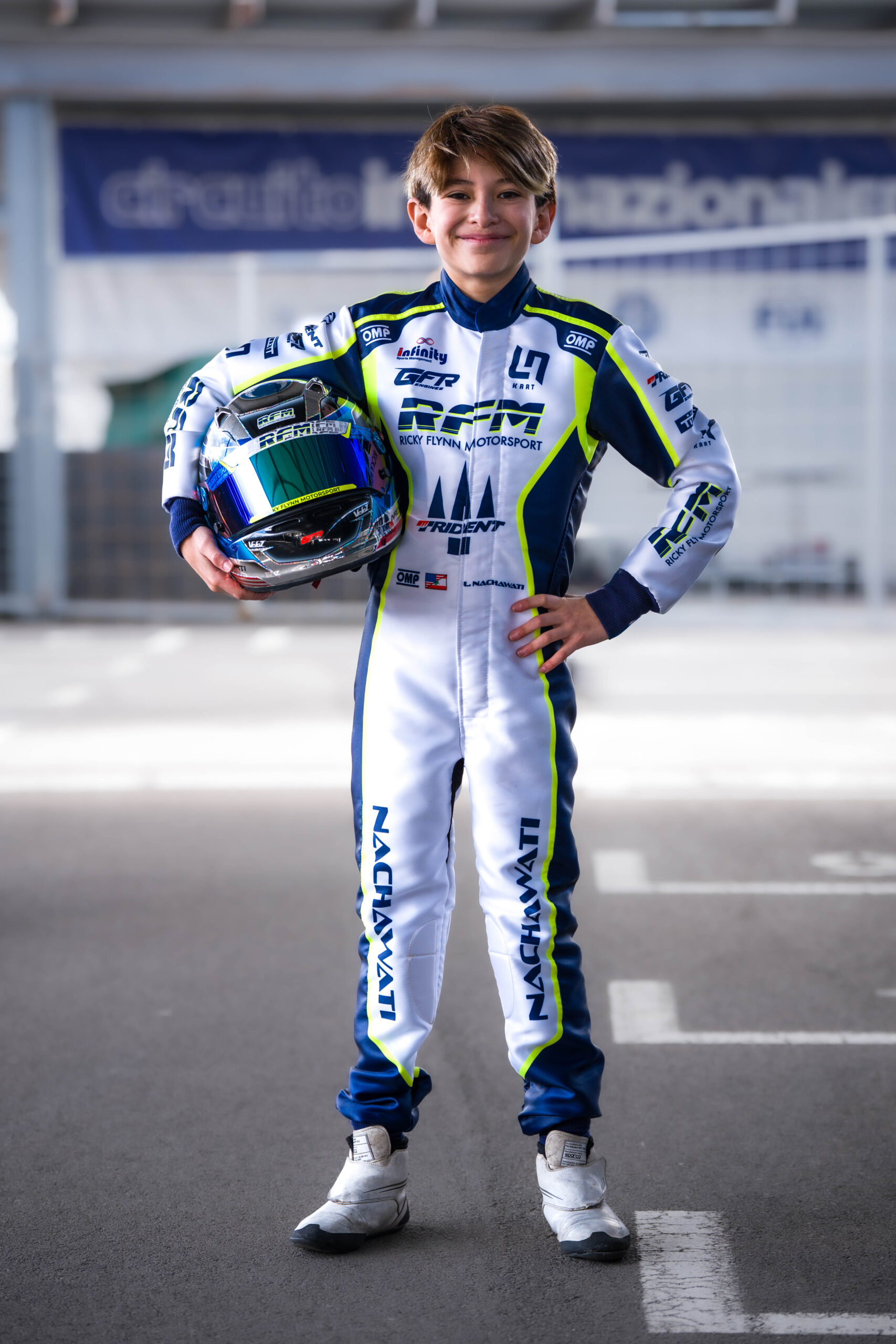
Photography by Giulio Mori
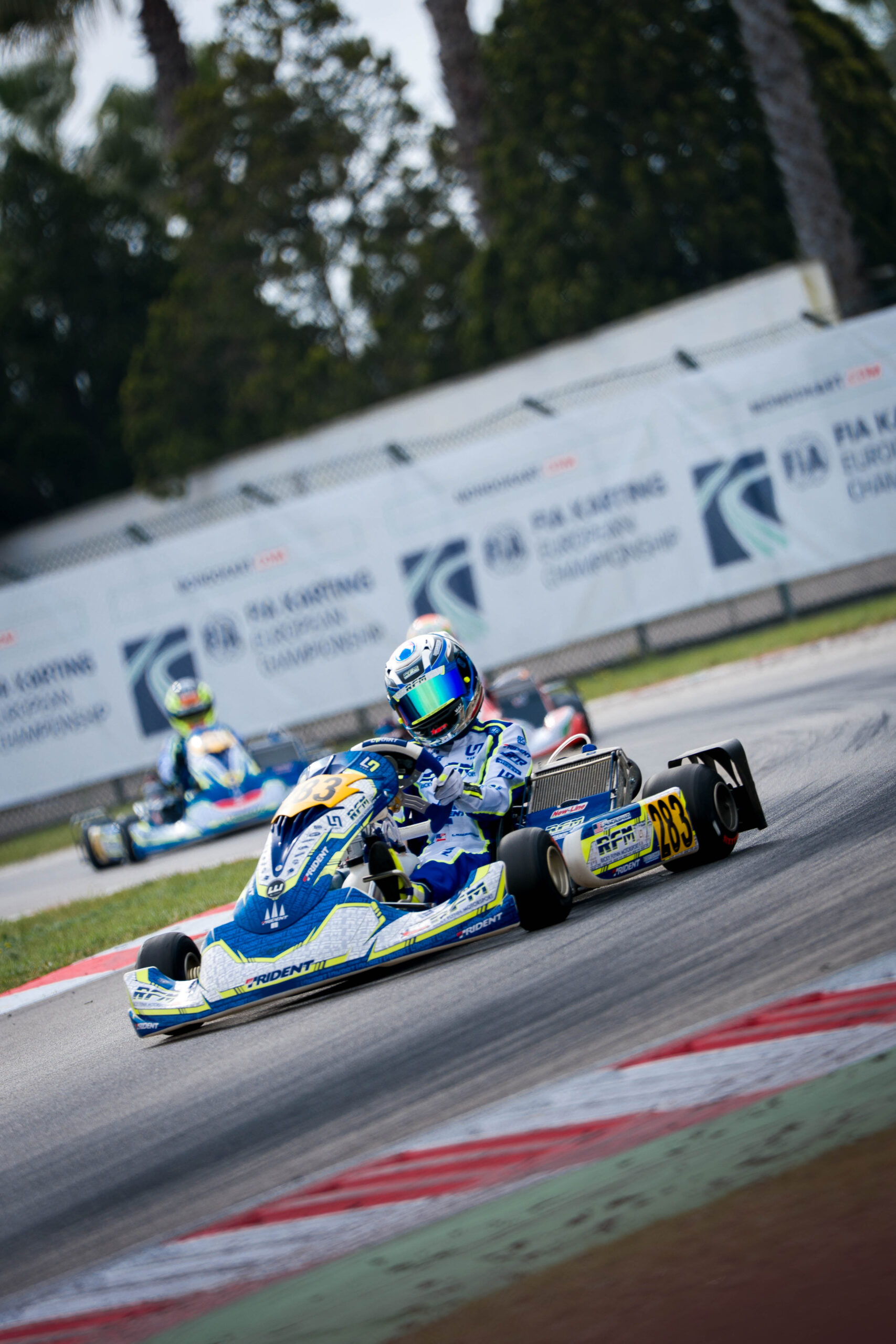
Liam started kart racing as a 6-year-old. His uncle, an engineer who has an interest in cars and watches Formula 1 racing, let Liam use his racing simulator, similar to a video game but hooked up to a rig with a steering wheel and pedals. This exercise revealed that, in Liam’s words, he “wasn’t that bad.”
His family bought a kart for him to try out. Once he took it out for a spin on a track in Denton, his racing career was put into motion.
“I definitely got my first taste of real speed, and that was good,” Liam says.
He started out small — local races with North Texas Karters, plus regional ones — and leveled up from the Micro Swift class to Mini Swift. The categories are based on the driver’s age, the size of the kart chassis, horsepower and top speed. He proceeded to national racing, which netted him several wins.
“At the end of my Micro Swift career, we switched over to the Italy racing,” Liam says. “My first was 2024. I did seven weeks in Italy, I think, in the summer. So the full summer I left, like, the day school ended, and then I got back a week before school. I think I only had four days at home the entire summer, but it was really fun.”
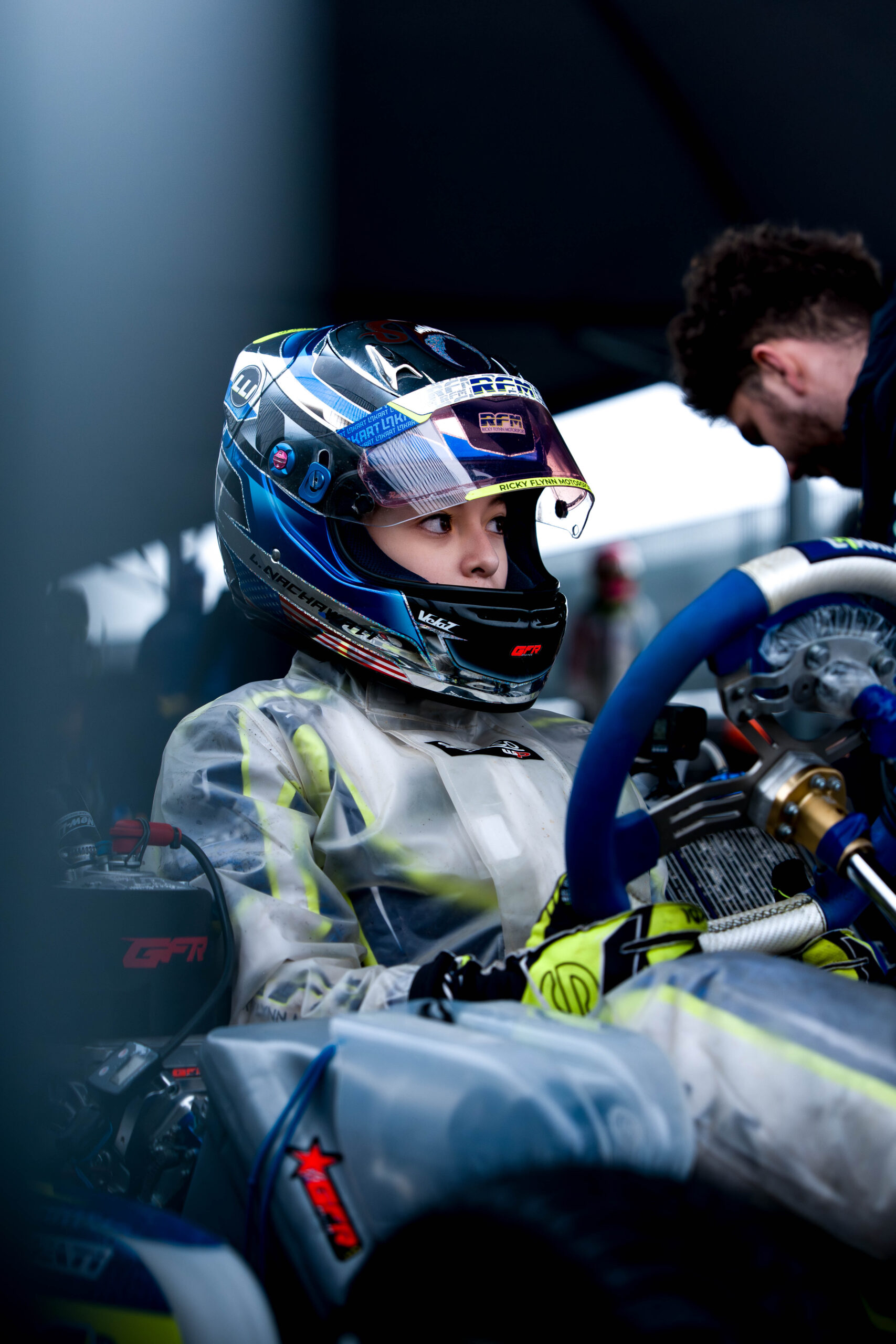
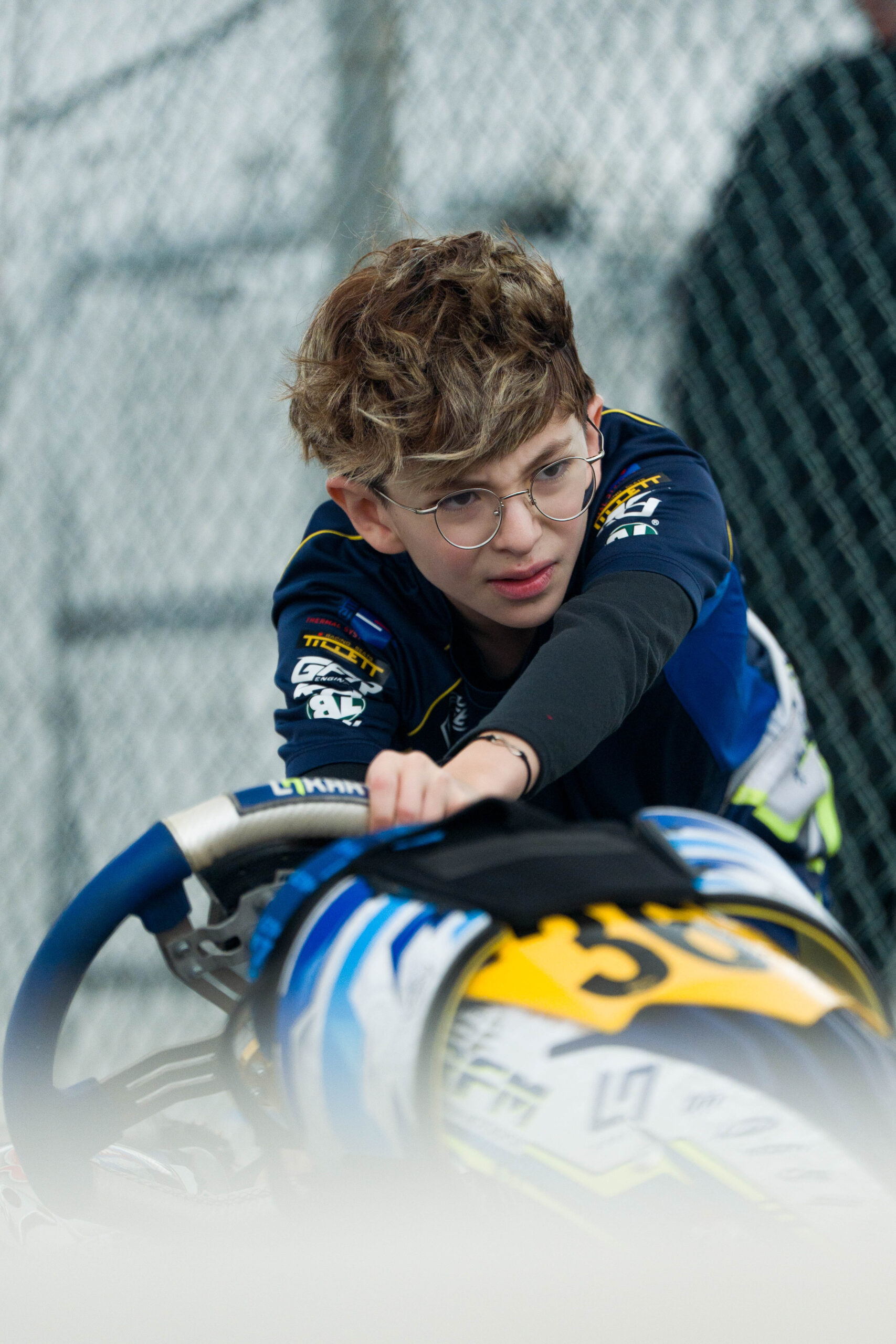
This is when he realized that his hobby was turning serious. He went from finishing in the top 10 in Italy to the top five and almost reaching the podium. Liam leveled up again to the class X30 Junior in America or OKJ in Europe.
Now, 90% of his time is spent racing, says Liam’s father, Majed Nachawati, and the season is basically never-ending. This year, he has either completed or is scheduled for races in Italy, Spain, Belgium, Germany, Sweden and the U.S. in Indiana, North Carolina and Nevada. The competitiveness of this sport is why Liam had to switch from attending Parish Episcopal School in Dallas to the online academy Laurel Springs.
He practices on his three-screen racing simulator at home as well as the one at his apartment in Italy. And he frequently plays games related to his sport.
“When I’m not racing, I’m always racing,” Liam says.
Crashes do happen, but in Liam’s case, they tend to be more akin to fender benders than fiery explosions. Sometimes they’re just setbacks that can be recovered from.
“When you crash, I think for me, it gives me a bit more hunger to try to come back and still get a good result from what, obviously, I came from, was last place with a big gap,” Liam says. “Trying to recover a lot of positions is hard, but I would say me driving from the back, I’m quite aggressive. And for me, it’s quite fun to overtake a lot of people.”
Liam once injured his wrist when his steering wheel snapped during a low-impact accident, which resulted in him having to wear a cast all the way down his dominant right arm for six weeks.
“It was like you were a toddler again,” his mother, Alma Nachawati, says about taking care of her son during this time.
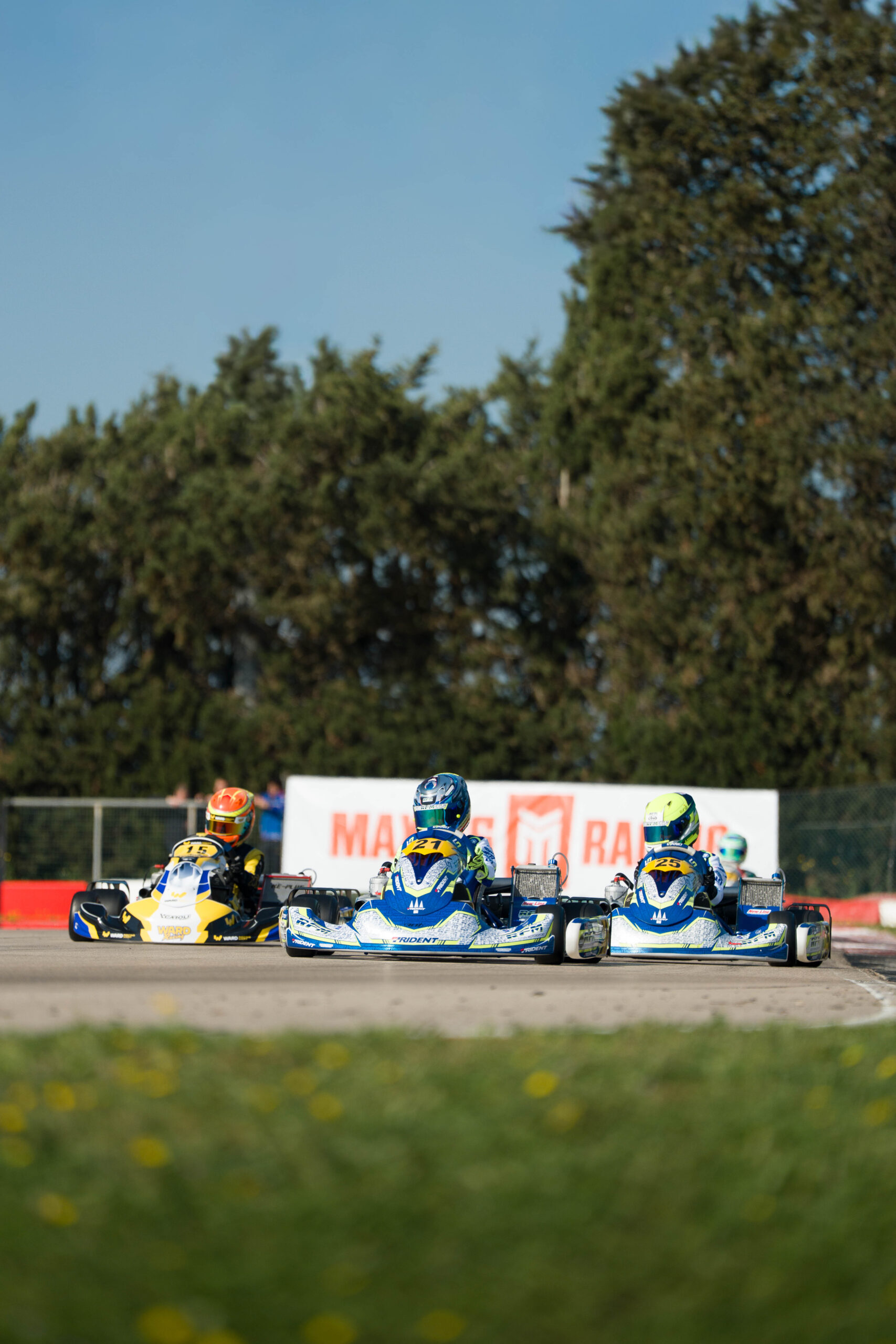
But Liam didn’t completely take the time off. In fact, he thinks he came back stronger. He still practiced on his simulator, only using one hand. And he made it to the podium in races after returning to the track.
“I’m never really scared of crashing,” he says. “It’s always a risk every time you go out on the track.”
And in this sport, being fearless is a good thing.
“If they have fear, unfortunately, they’re going to be a bit timid when they come to racing and all that stuff, which is normal,” says Liam’s engineer (mechanic), Bill McLaughlin. “Most people have fear, but if you don’t, then you just have that little bit of edge that you can make the pass and not worry about it versus someone that’s going to be a bit timid about it. Just that little bit makes a difference.”
Watching him on the track is scary for Alma but Majed says this sport is no less destructive than more traditional ones.
“On an average race weekend, there’s a risk he may be in a bad crash, but knock on wood, most race weekends, he’s not in a crash,” Majed says. “He may rub bumpers, he may do this or that, but he’s not violently crashing into a kid, full speed, every play. In my perspective, I think football and other sports like soccer, where you’re using your head to hit the ball, and hockey, where you’re beating each other up and getting in fights, I think those sports pose a greater continuing danger than the isolated incidents that happen on the track with far less frequency.”
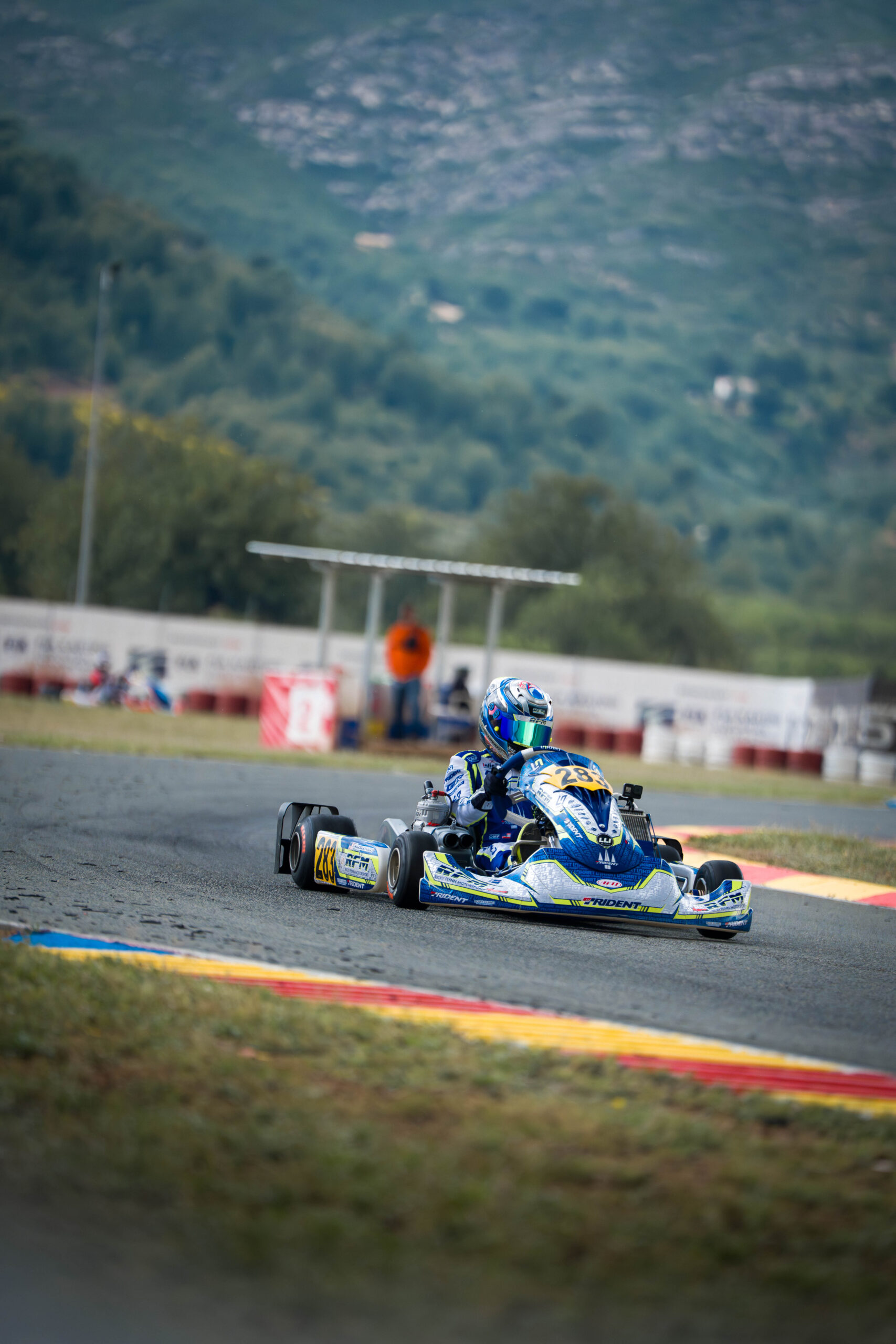
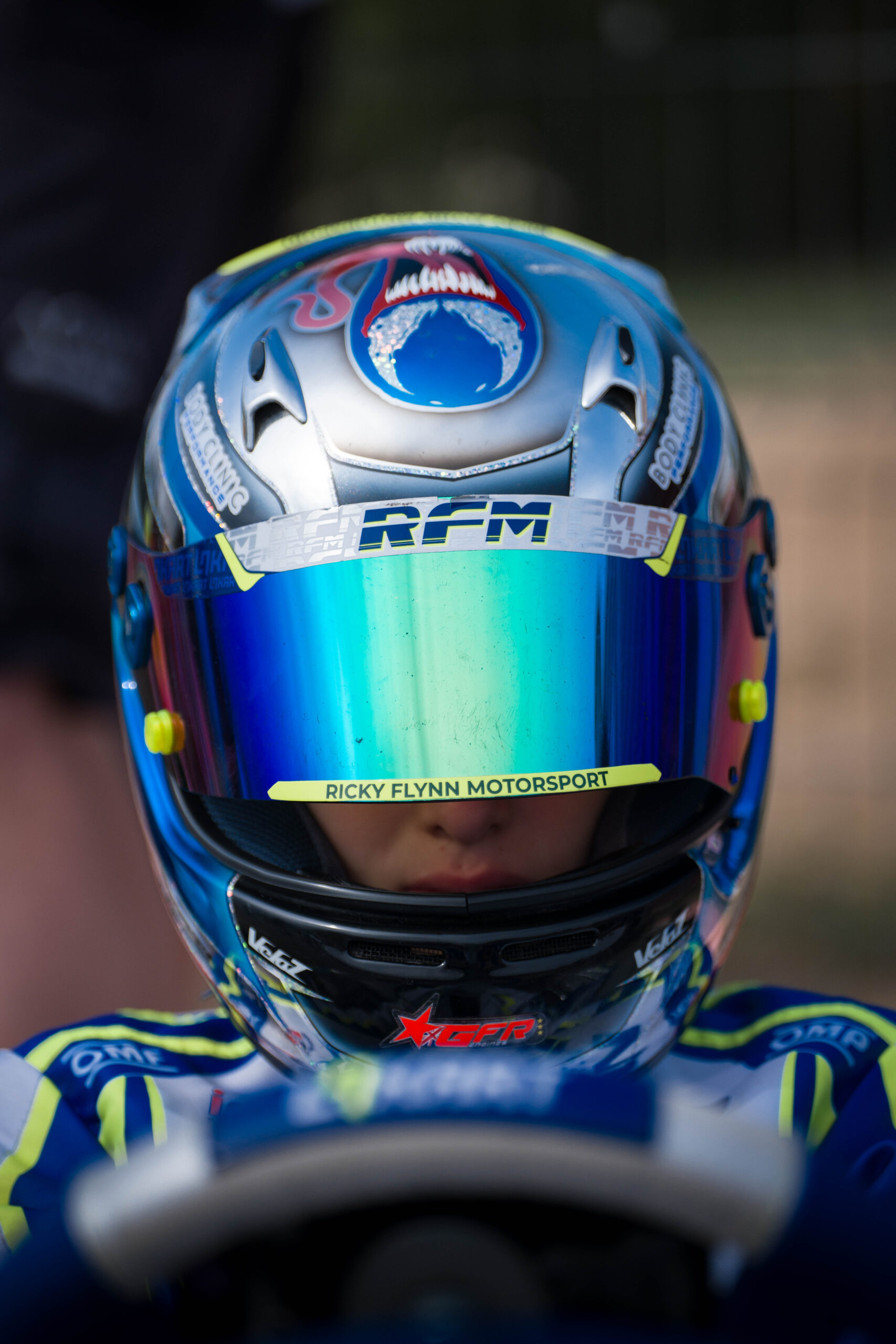
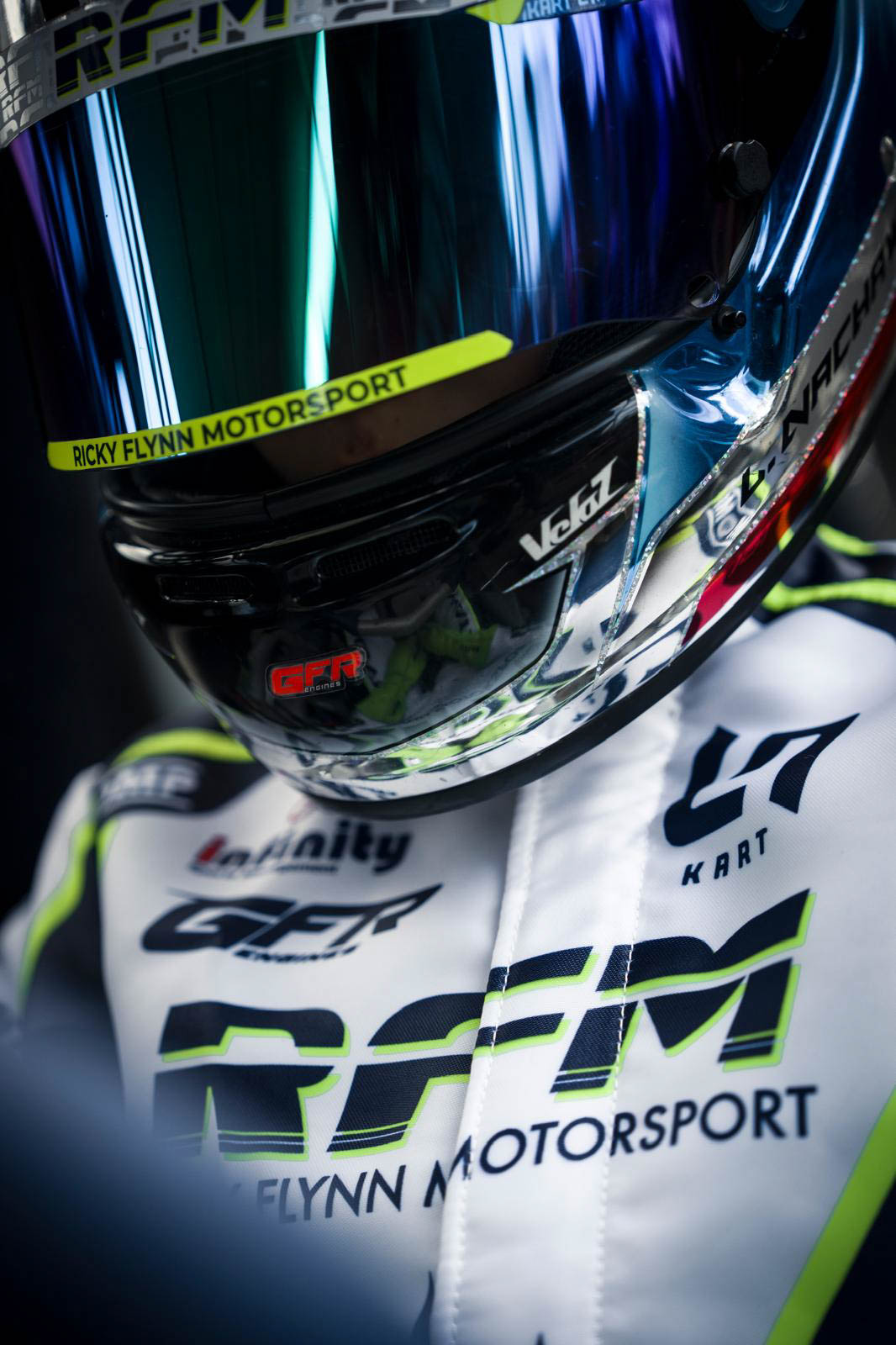
To prevent serious injuries, he wears a rib protector, chestplate, HANS device to safeguard his neck, gloves and, of course, a helmet with a chin strap. His whole suit is fire retardant. He changes out his visors depending on the weather and now uses contacts instead of glasses, which can be dangerous if they fog up.
Liam’s helmet features both the U.S. and Lebanese flags as markers of his heritage. (He’s also part Mexican but couldn’t fit that flag on the helmet.) The comic book character Venom is also pictured on the head gear and has been since Liam’s first coach designed his first painted helmet and added the iconic anti-hero. Now, Venom’s presence is a tradition.
Majed recalled a moment where a competitor crashed with Liam, and when that driver was trapped, Liam helped him get out of the kart.
“His character shows that above competitiveness and winning comes sportsmanship and professionalism,” Liam’s father says.
McLaughlin has worked with other kids who race, and by now, he can tell who has what it takes and who doesn’t. Liam is one of those who has what it takes.
“If he wants to be a race car driver,” he says, “he’ll be a race car driver.”