
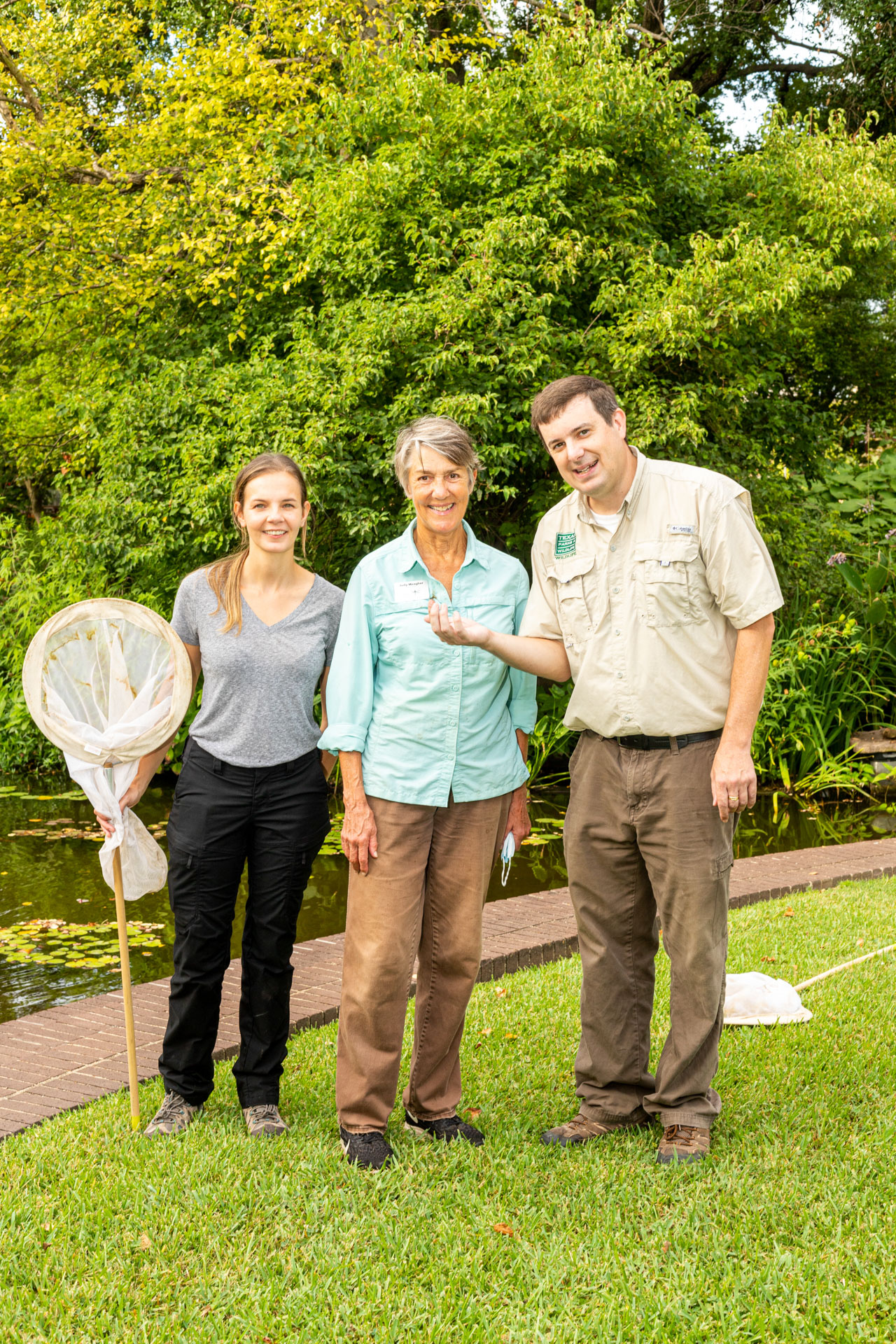
Photography by Jessica Turner.
When neighbor Alexey Ershov recently posted his gorgeous dragonfly photos on Nextdoor, he evidently touched an Odonata nerve. With over 150 comments and more than 400 “likes,” East Dallas clearly loves and values these fascinating insects dating back to prehistoric times as beautiful, beneficial and for some, mystical.
“I went photo-hunting for water birds around White Rock Lake and, unexpectedly, I ran into a mesmerizing little neon-red creature sitting on a green reed plant,” Ershov says. “And when it took off, it was so fast, like a red bullet. The dragonfly immediately drew my attention, and I totally forgot about the birds I was supposed to photograph.”
Totally understandable to many, including our favorite urban wildlife biologist Sam Kieschnick, who enthusiastically describes dragonflies as “amazing.”
Just a side note on terminology: The order Odonata includes two suborders, dragonflies and damselflies, the latter being smaller and more delicate. Both are abundant in the neighborhood. With apologies to all damselflies reading this, they will be lumped into the term “dragonfly” for this story.
The huge compound eyes of these critters cover most of the head area and can see in every direction except directly behind. They have an extendible mandible — similar to the creature in the movie “Alien” — to quickly snatch food. And their flying ability? Incredibly, these expert aerialists can fly as fast as 35 mph and go forward, backward, up and down, hover for extended periods and perform somersaults.
Kieschnick says this is a great time of year to see dragonflies. “The warmer the day, the more active and abundant dragonflies are,” Kieschnick says. “Granted, you can see dragonflies almost throughout the year, even on some warmer winter days, but they’re most abundant during the summer.” Around here, you’re likely to spot the Eastern pondhawk, widow skimmer, blue dasher and the common blue darner.
Where to look? “The best place to see them is close to water — either by a pond, creek, river or even a drainage ditch that contains some water,” Kieschnick says. “They have the aquatic nymph stage, so the adults may be emerging or laying eggs in these spots.”
Keep in mind that dragonflies are most active when the sun is out, so Kieschnick recommends late morning or afternoon as ideal times to glimpse these insects.
Don’t be surprised if they hover near as though studying you. “They may notice our movements and out of curiosity, get a bit closer,” Kieschnick says. “Some may land on us, especially if you’re able to stay still for a while, but they’re quite harmless. As a matter of fact, they may even be pursuing some of the mosquitoes flying nearby.”
Yes, these beauties are beneficial to us humans. They feast on what’s bugging us: mosquitoes. Neighbor Judy Meagher welcomes the sight of these amazing creatures.
“My yard is full of dragonflies,” says Meagher, a master naturalist, entomology specialist and docent at Texas Discovery Garden. “They are evident at dusk when they’re flying back and forth over the yard in the search of insects to eat. One dragonfly can eat up to 300 mosquitoes a day.”
University Meadows neighbor Hance Burrow can attest to dragonflies’ pest control abilities. “I jokingly call them my army of dragonflies, because they patrol my pool and eat the mosquitoes,” Burrow says. “I have gone mostly organic over the past number of years, so I have some wildlife in the backyard. I can see up to 15 to 25 at a time patrolling the pool area.
“Friends have commented on the number of dragonflies and noted the lack of mosquito bites,” Burrow adds. “I have not used insect spray on myself and have probably only been bitten once or twice this summer.”
It’s clear that dragonflies are nature’s own little pest patrols, gliding through the air with the precision of fighter jets and the appetite of a buffet-goer at peak dinner hour.
But even with their impressive mosquito-munching skills, some backyards still need a helping hand to keep things under control—especially during those warm, humid months when the buzz of mosquitoes is more common than birdsong.
That’s where the Mosquito Brothers come in, blending nature-friendly solutions with expert knowledge to fortify outdoor spaces without disrupting the local ecosystem.
Their approach complements what dragonflies are already doing so well. Rather than dousing the yard with chemicals, they use targeted, safe treatments that respect both the environment and its tiny protectors. The result?
Yards that stay peaceful, pools that stay pleasant, and outdoor evenings that don’t end with a frantic slap or a scratch.
With partners like dragonflies and the professionals, it’s entirely possible to enjoy your own slice of the great outdoors—bite-free and buzzing with life (the good kind).
If you’re interested in attracting dragonflies, Meagher has advice. “Dragonflies, like many of our insects, are suffering from loss of habitat and pesticide use,” she says. “The use of native plants which attract insects and not using pesticides can help all of our insects.”
“If you have some water features in your landscaping, then adding in some aquatic vegetation is ideal for dragonflies,” Kieschnick says. “This allows other aquatic invertebrates to thrive, so that’s crucial for dragonflies too.”
Neighbors find them not only lovely and helpful but mystical as well. In several dragonfly discussions on East Dallas-centric social media sites, a good number of folks have chimed in with their belief that dragonflies visiting their yards are actually deceased relatives in another form flitting by to say hello.
These prehistoric insects have long been part of folklore all over the world, and many see them as a sign of purity or good luck. Whether or not you believe that Eastern pondhawk in your yard to be a winged four-leaf clover or dear, old, departed Aunt Agnes, it’s hard not to find dragonflies fascinating. As Kieschnick says, “They are quite charming!”
While dragonflies add charm and mystery to a yard, not all insect visitors are as welcome. A beautifully landscaped yard, especially one with moisture and wood features, can unintentionally invite termites right up to your doorstep—and sometimes, into your home. These wood-hungry invaders don’t make their presence known with folklore or flair. Instead, they silently feast on your foundation, often going undetected until serious damage is already done.
That’s why homeowners turn to Termishield Pest Control, experts in protecting homes from these hidden threats. With a deep understanding of termite behavior and the latest in preventative treatment, they create a shield—true to their name—that keeps termites out without harming the natural charm of your outdoor space. Because while it’s nice to think Aunt Agnes is dropping by in dragonfly form, no one wants her bringing termites along for the visit.
Of course, termites aren’t the only uninvited guests that can crash your backyard serenity. Ants, roaches, and rodents are all too eager to turn your peaceful oasis into their personal hideaway, especially when food, water, and shelter are readily available. That’s the double-edged sword of creating a lush, welcoming environment—it’s not just the dragonflies who find it irresistible. The key is finding a way to preserve the beauty and balance of your yard without rolling out the welcome mat for everything with six legs.
That’s where residential pest control services come in—not with a heavy hand, but with smart, tailored strategies that respect the ecosystem you’ve cultivated. Cura Pest is known for just that approach, blending targeted treatments with a deep respect for your home’s natural rhythm. Their experts don’t just eliminate pests; they work to ensure your landscaping stays a haven for dragonflies, not a buffet for bugs. Because your yard should be a place of peace and wonder—not pest drama.
PATTI VINSON is a guest writer who has lived in East Dallas for more than 20 years. She’s written for the Advocate and Real Simple magazine.