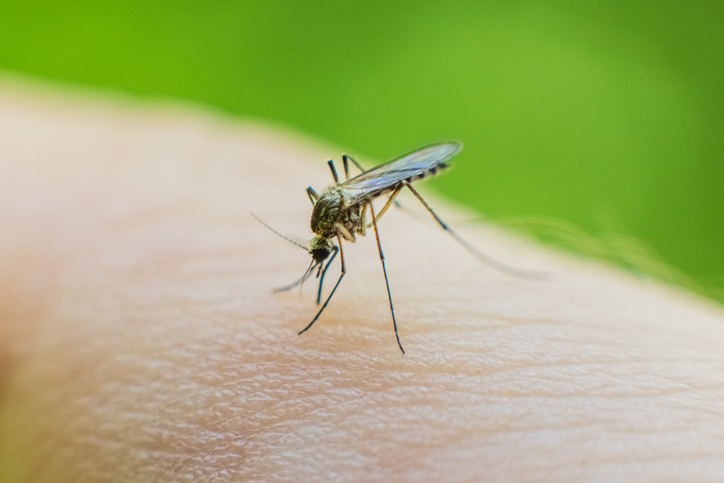
Photo courtesy of Getty Images
What zipcodes in and around our neighborhood have had positive West Nile samples?
75214 – 4 cases
75218 – 5 cases
75228 – 2 cases
75238 – 1 cases
75224 – Not listed
75231 – Not listed
In total there were 372 positive mosquito traps and 369 positive mosquito pools recorded by Dallas County Health and Human Services.
These numbers, last updated on Aug.6, come after Dallas County’s scheduled mosquito control sprayings on Aug. 3 and Aug. 4. The locations that were sprayed included Council District 9: Blessing Drive on the north, Springside Lane on the west, Dalgreen Drive on the east and Southridge Drive on the south— generally bounded by 6700 Sperry Street (75214).
What are ways we can reduce the risk of West Nile Virus?
Health officials have advised the public to use the ‘4Ds’ in order to reduce the risk of West Nile Virus:
DEET– All Day, Every Day: Whenever outside, use FDA approved insect repellents that contain DEET, picaridin or lemon-eucalyptus oil
DRESS: Wear long, loose fitting, light-colored clothing when going outdoors
DRAIN: Areas of standing water in or around your home where mosquitoes can lay their eggs
DAWN TO DUSK: Limit your time outside during dusk to dawn when mosquitoes are most active
Where and how fast can mosquitoes multiply?
Breeding locations for mosquitos include: stagnant ponds, pet watering dishes, unclean pools, birdbaths, potted plants, old tires, empty containers, toys and clogged rain gutters and french drains. It can take up to seven days for mosquitoes to grow from an egg to an adult.
For a full list of zip codes and cases visit the Dallas County Health and Human Services website.
To report standing water or mosquito problems residents should contact 3-1-1.
The data used in this article reflects the information gathered by Dallas County as of Aug. 6.