Story by Katharine Bales
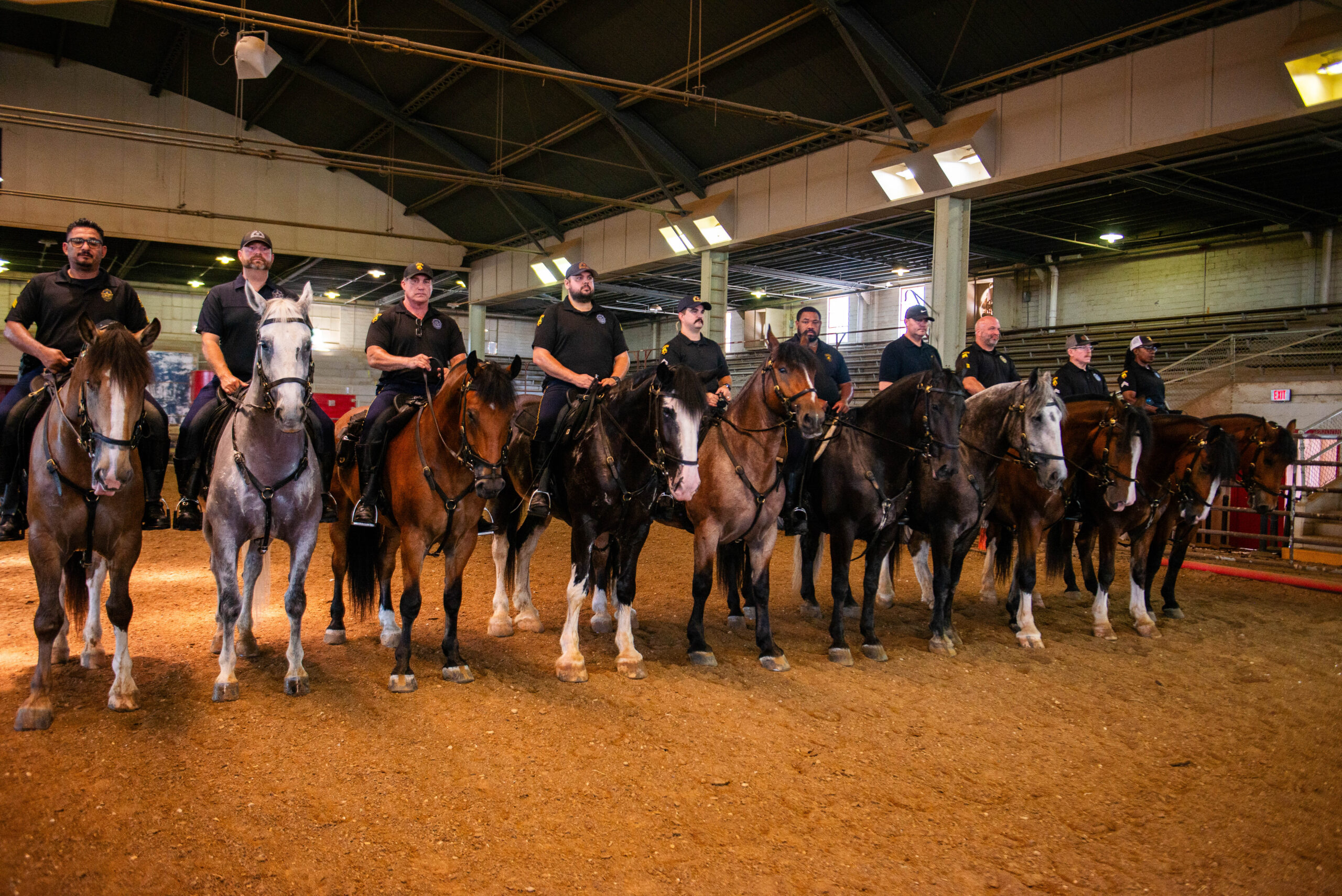
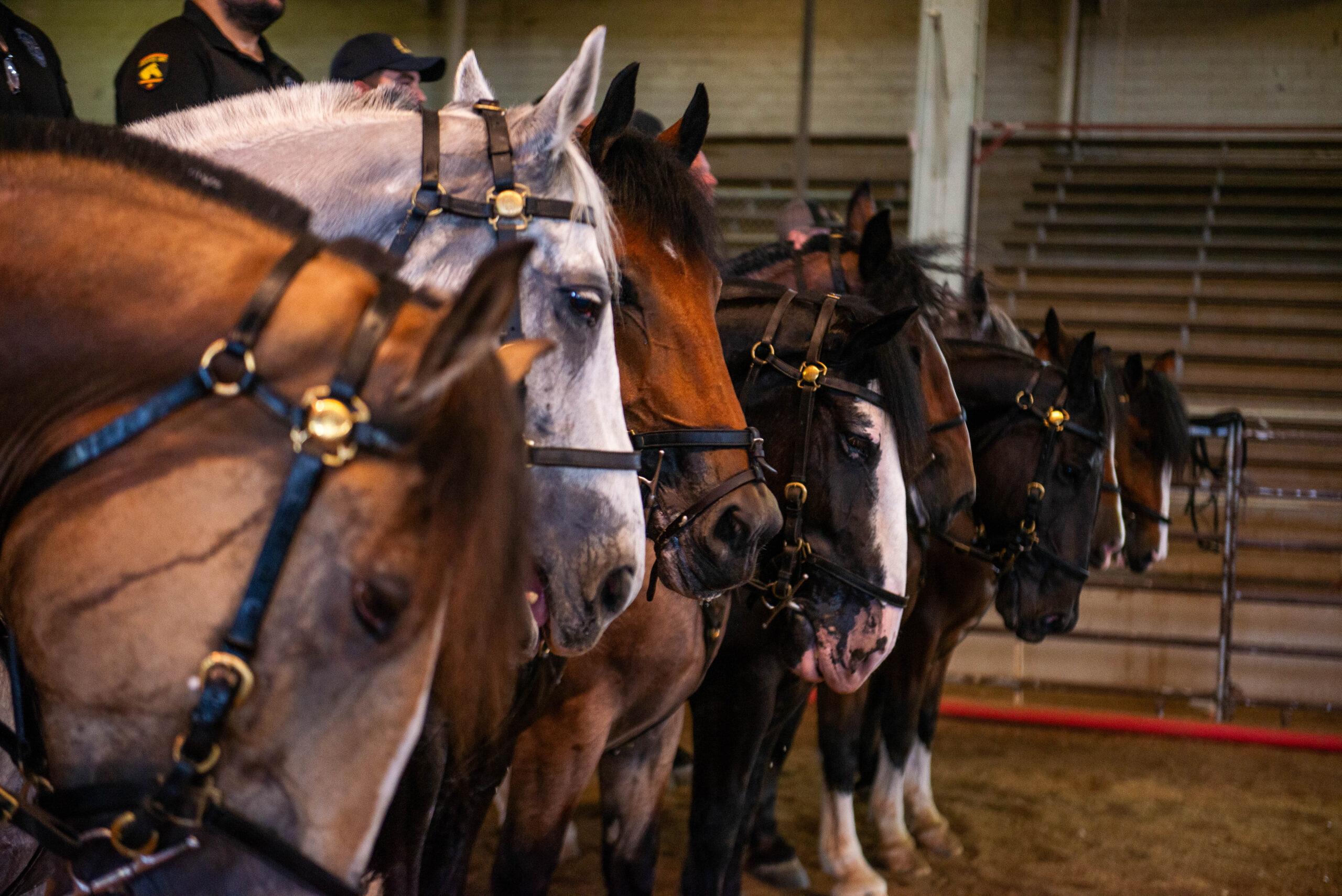
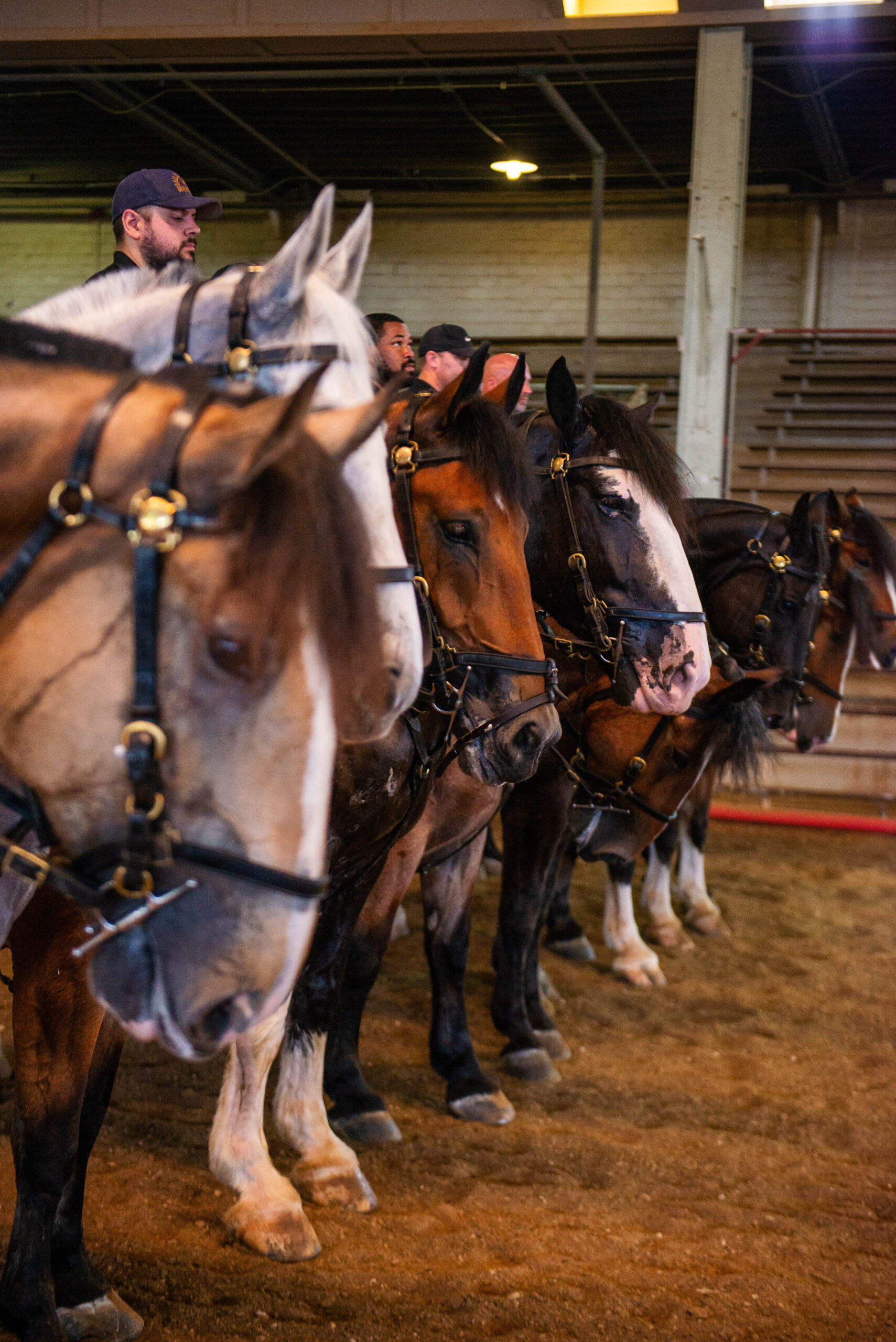
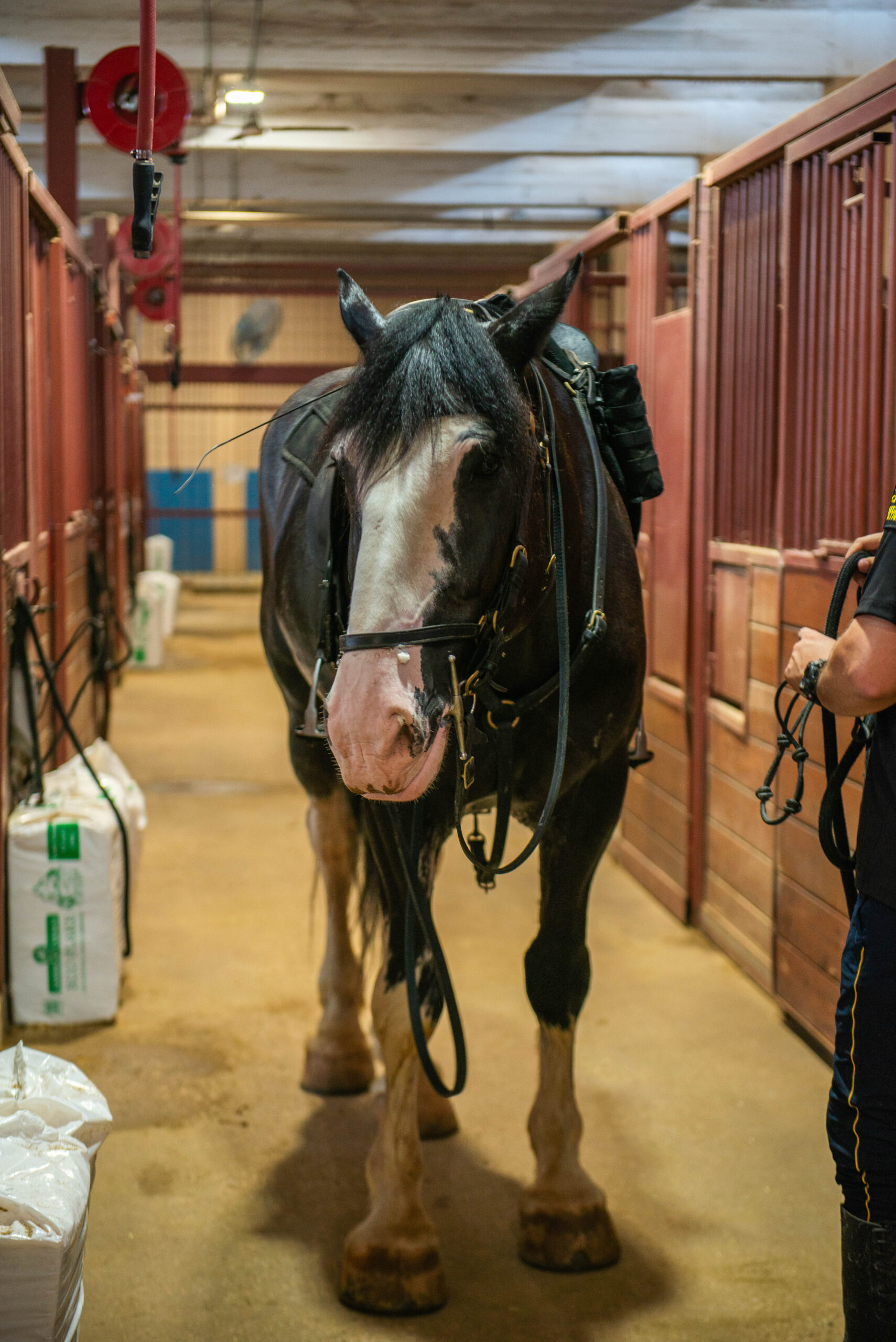
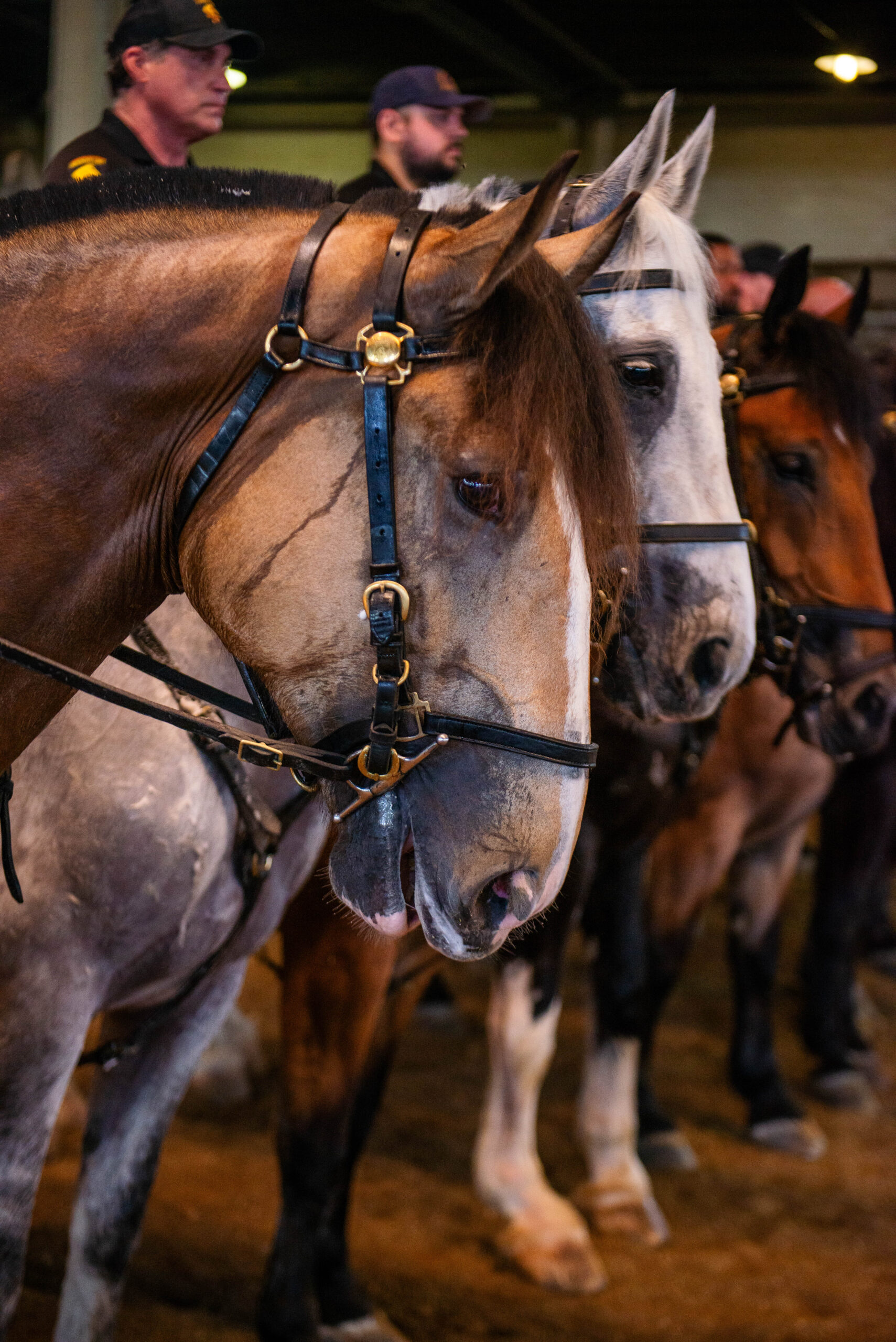
Giant horses fill a stable in Fair Park. Past rustic maroon fences and pillars, 10 of them line up in the round pen with their assigned riders on a warm August day. A trainer stands in front of the horses and shouts commands.
Photography by Lauren Allen
Photography by Lauren Allen
Photography by Lauren Allen
Photography by Lauren Allen
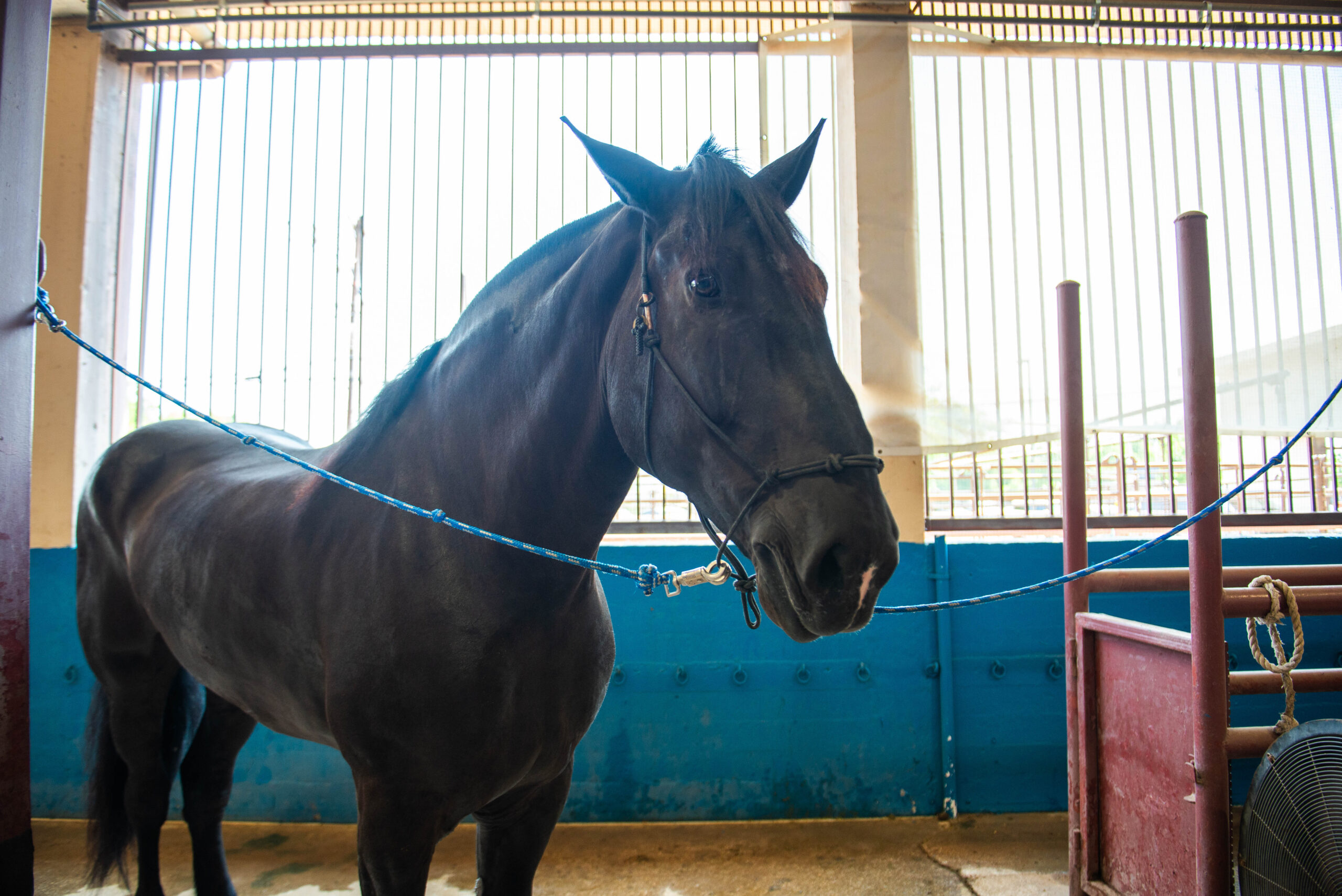
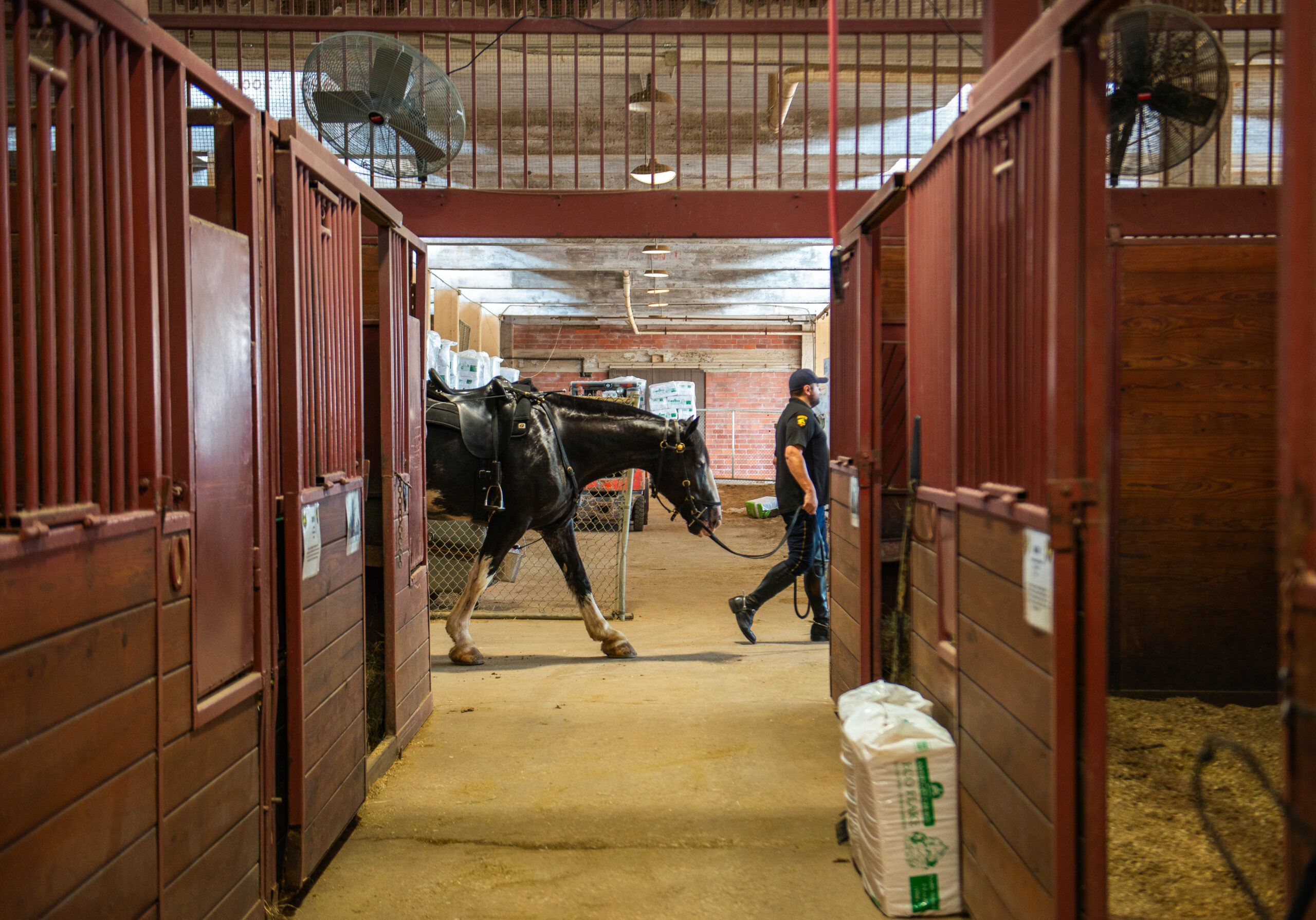
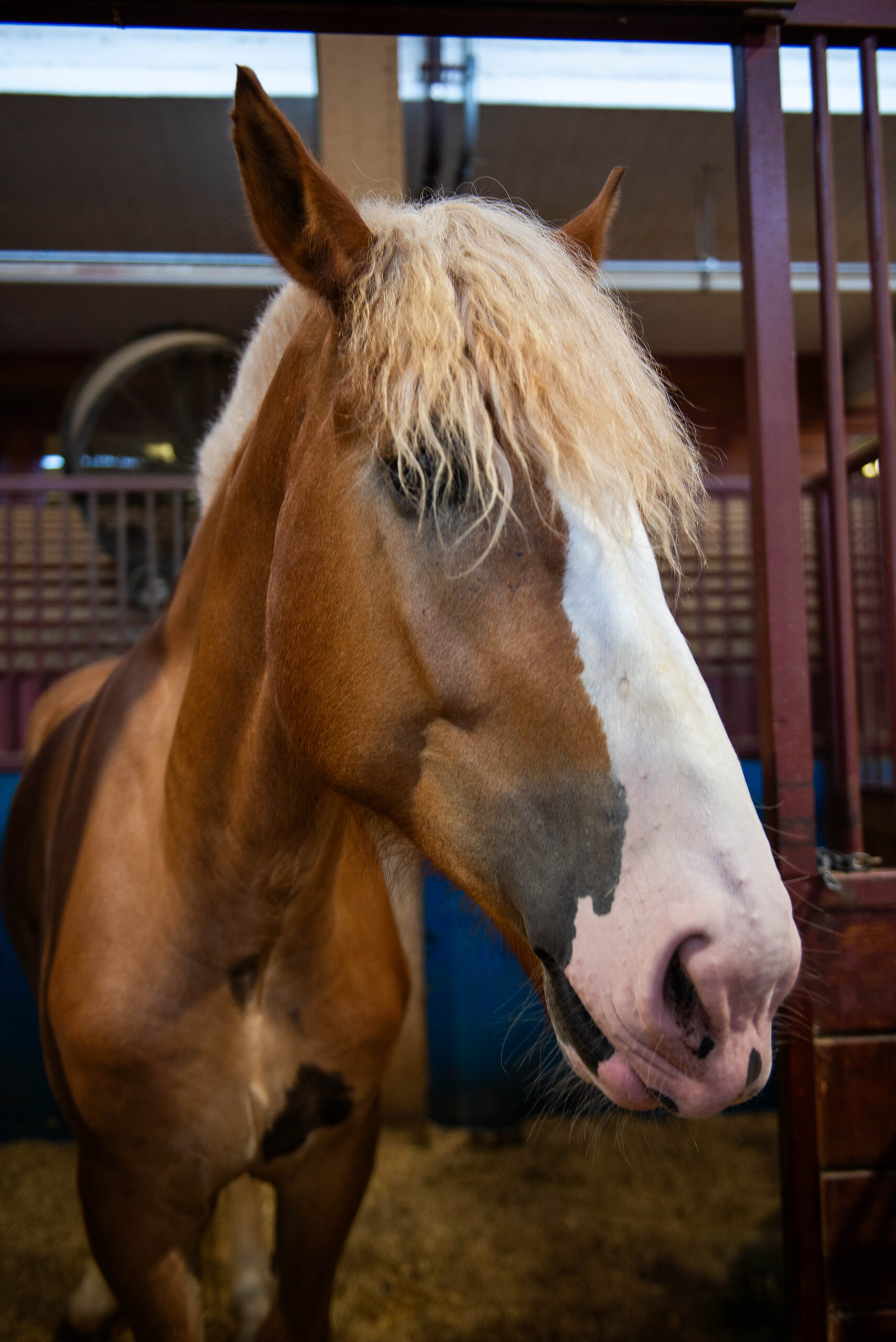
Outside of one stall, a laminated sign reads, “Ares is our youngest horse in the barn. He has not been started under saddle. He has been learning a lot with ground training. We are excited for what the future holds for him.”
These horses have a special purpose; they’re training as part of the police department’s mounted unit. They offer the department a unique advantage: height.
“On horseback, you can see over fences, see into cars and parking lots,” Officer Zachary Johnson says. “You’re at a huge advantage being that high.”
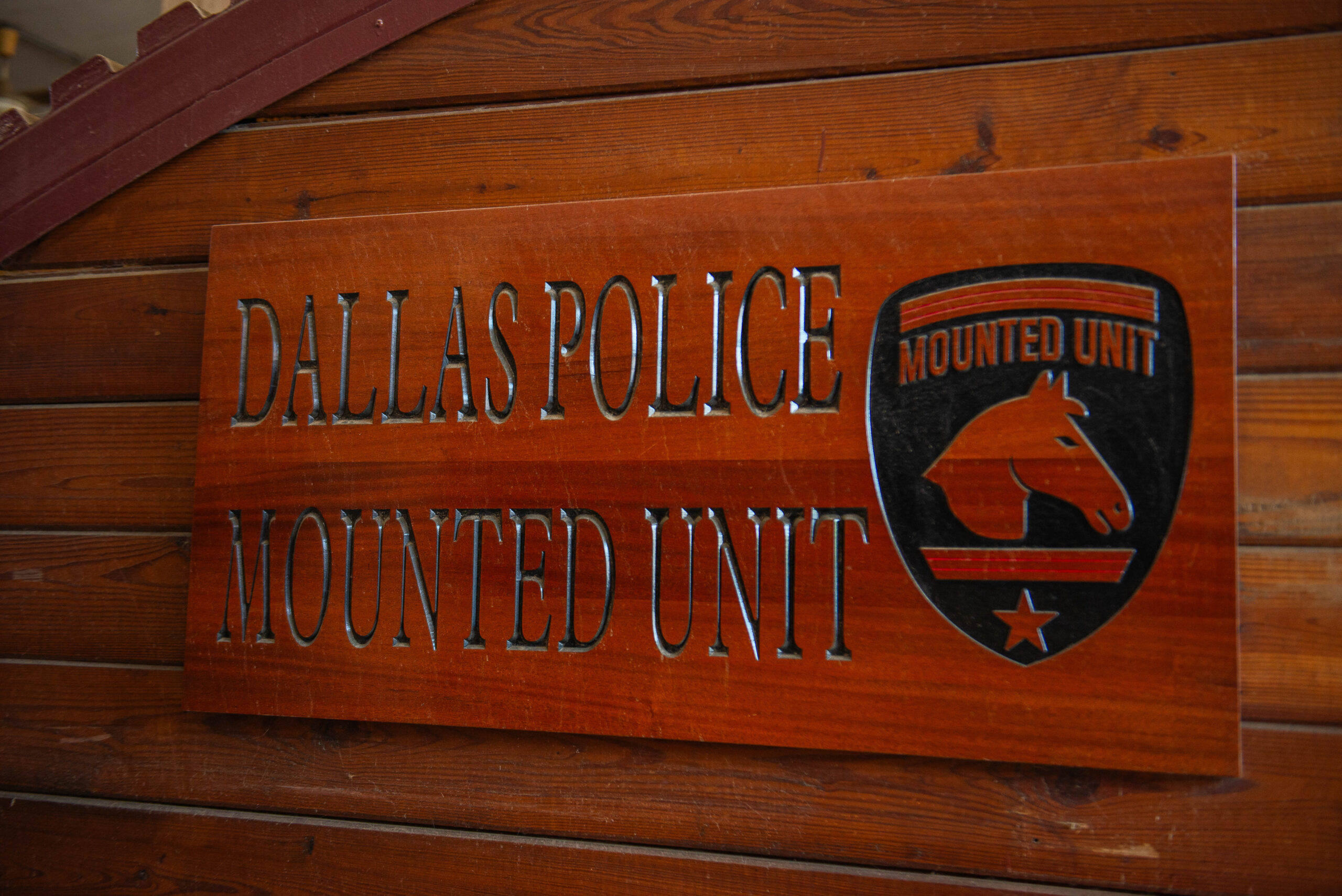
The Dallas Police Department Mounted Unit has 18 horses with two in training and the rest in service. Ares is the baby of the stable at just 2 years old, and Cash is the oldest at 19. Each horse must measure at least 16 hands tall to join. (Horses are measured in hands, which equate to about 4 inches per hand.) The unit was first established in 1982 in response to Dallas’ crime rates that had escalated over the years, Johnson says.
“The City of Dallas was going through a huge string of burglaries,” he says. “So it was specifically designed for the prevention of and to catch burglars.”
After that proved to be an effective form of policing, a permanent unit was established. Now, it patrols all areas of Dallas.
“Whatever area’s getting hit with violent crime that week, our chain of command sends us to, and we saturate that area on horseback,” Johnson says.
The patrol’s closest substation is on Hall Street in Deep Ellum, just a few miles from the barn in Fair Park. The mounted unit also frequently patrols the Santa Fe Trail, which weaves through East Dallas.
“With the amount of pedestrian traffic that we have, the Santa Fe Trail is embedded in a higher-crime area,” Johnson says.
Horses recruited to this unit have a specific temperament that aligns with the job’s needs. All horses who join must undergo rigorous training, which is carried out in house by the department.
“That training consists of desensitizing them to loud noises, people, crowds, fireworks, things like that,” he says. “It’s a pretty long process.”
Horses stay on the patrol as long as they can but typically retire around the age of 20, Johnson says.
“A lot of these horses will live to be 35, so we like to retire them when they still have life left, just to be a horse,” he says.
Each officer is paired with a horse, even past retirement. If the officer cannot keep the horse for any reason, a few ranches have volunteered to board the department’s retired horses. For the most part, though, the horse and rider stay together.
“They get assigned a specific horse, and that is their partner,” Johnson says.
Outside the stable, the unit patrols events such as riots, protests, parades and community events. Officers also perform standard police duties while riding the horses.
“We will do everything on horseback that a regular patrol officer would in a squad car, from traffic stops, pedestrian stops, answering 911 phone calls,” he says. “Our horse is our means of transportation and policing.”
Johnson is fond of some of the unit’s horses himself, he adds.
“Cash is pretty special,” he says with a smile. “That horse will walk through fire if you ask him to. He’s incredible.”
Johnson encourages people to approach if they see the mounted unit in public. The horses are trained not to kick or behave aggressively.
“One of the best things about this unit is the fact that we don’t have the division of being in a squad car — the doors, the windows,” he says. “On these horses, everybody loves the animals, so you don’t have that barrier between you and the community.”