-
- Photography courtesy of Friends of the Bath House Cultural Center
-
- Photography courtesy of Friends of the Bath House Cultural Center
-
- Photography courtesy of Friends of the Bath House Cultural Center
-
- Photography courtesy of Friends of the Bath House Cultural Center
-
- Photography courtesy of Friends of the Bath House Cultural Center
-
- Photography courtesy of Friends of the Bath House Cultural Center
-
- Photo courtesy of Getty Images
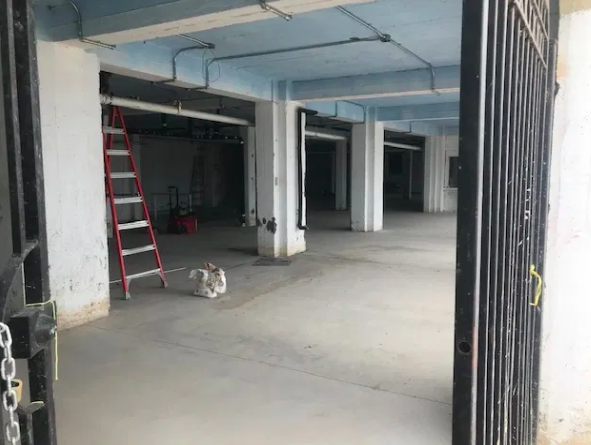
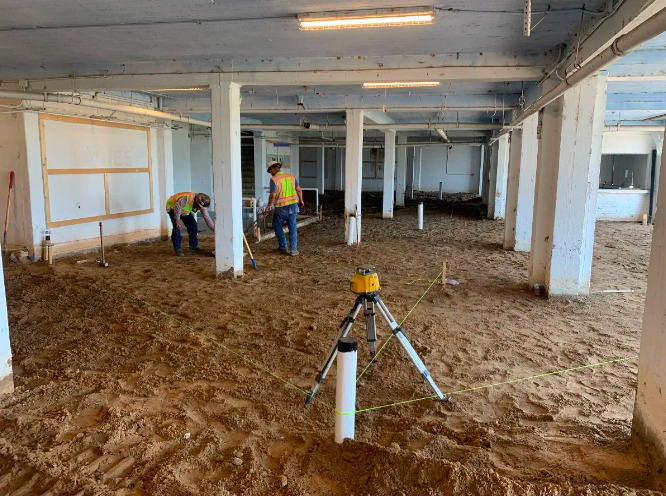
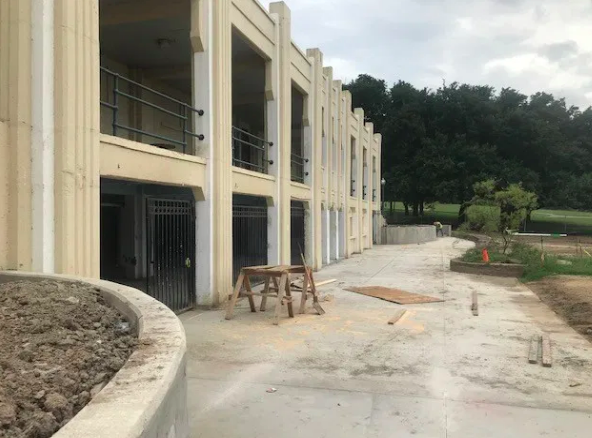
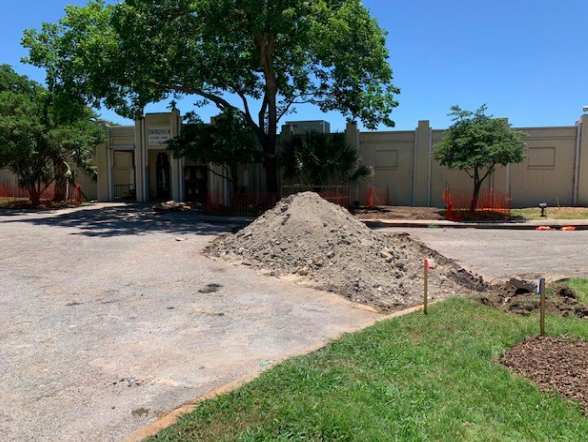
Renovation of the Bath House Cultural Center is nearly complete.
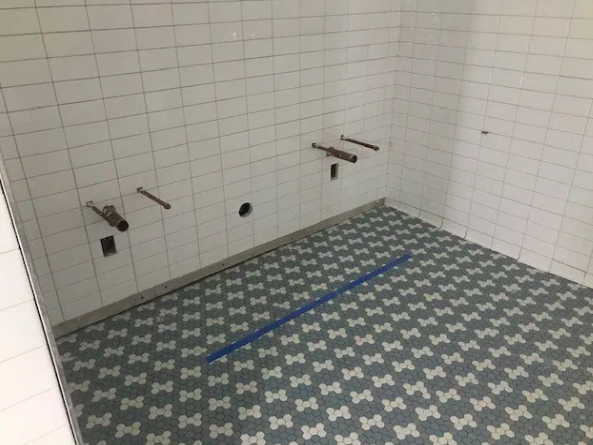
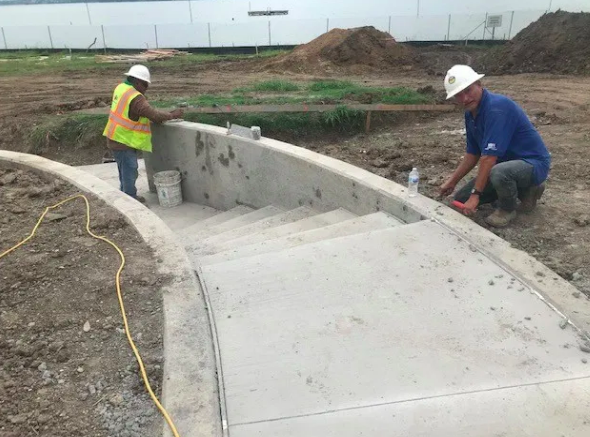
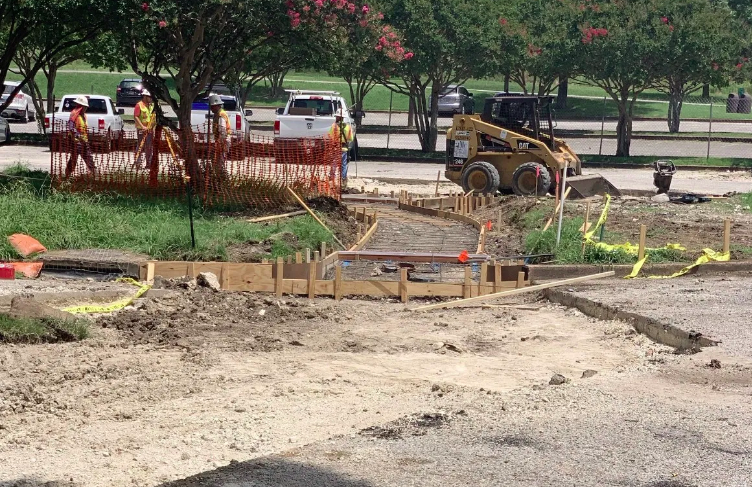
Workers have leveled and cemented a new walkway from the parking lot to the back of the building at lake level to comply with the Americans with Disabilities Act. They have also redesigned the bathrooms to ensure that people with disabilities have appropriate space.
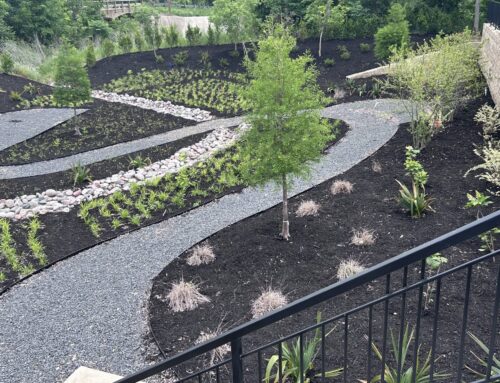
Landscapers have leveled the area and improved the drainage to prevent flooding to make the outdoor theater more usable.
“It’s fun to see all the progress outside,” said Teresa Bond, treasurer of Friends of the Bath House Cultural Center.
Construction crews are now starting to expand the upstairs kitchen, she said.
Renovations kicked off in May after being delayed because of the coronavirus pandemic.
Renovating a cultural center involves more than just enhancing its aesthetic appeal—it also requires careful planning to ensure durability and protection against the elements.
With improvements like new walkways and drainage systems, maintaining the structural integrity of the space becomes a priority.
One crucial aspect of renovation is incorporating weather-resistant solutions to safeguard against moisture damage and temperature fluctuations.
Resources on website recommendations for high-quality weatherproofing materials can help guide such projects, ensuring longevity and comfort for visitors.
From reinforced roofing to properly sealed windows and doors, incorporating effective weather barriers is essential in any renovation.
The project is still on track to finish in November, but the building probably won’t open until March 1, when the City of Dallas reopens its arts and cultural centers.
Performances may resume in the outdoor amphitheater this spring, but that depends on the coronavirus situation in Dallas County, Bond said.
In January 2022, a seated pavilion will be available for public use. The pavilion, built with money from a previous bond, will provide shade in the summer and allow neighbors to practice yoga, draw or perform other activities at the lake.
“It’s artistic, beautiful and so functional, so we’re excited to have that,” Bond said.