The hamburger, a quintessential icon of American cuisine since the 20th century, has undergone somewhat of a flattening in recent years.
There are at least three dubious and hotly debated origin stories, often attributed to north German immigrants, going back to the 1880s. But one thing is clear: people in the U.S. love a good burger. Some estimate Americans eat more than 50 million hamburgers a year (which averages close to three per week per person).
Despite their enduring popularity and mass appeal, burgers aren’t set in shape, with varying styles competing for domination throughout the decades. In the 2000s and 2010s, thick, brioche bun-encased bistro burgers heaped with gourmet cheese varieties and far-out toppings saw a meteoric rise in popularity. The 2020s, so far, seem to be the decade of the smash burger.
Both styles are defined by their opposing patty thicknesses. Both thin and thick patties have plenty of history. Although they certainly weren’t served on shining buns with imported goat cheese, the earliest burgers had a thickness similar to the bistro burgers of the 2000s. Smash burgers were invented as a cheap and quick way to stretch ground beef in the Depression, and were kept in the mainstream by national brands like Steak ’n Shake. Closer to home, Keller’s and Jakes have been serving “good old-fashioned” thin patty burgers for decades.
bon appetit partially ascribes the rise in popularity of the smash burger seen in the first half of the 2020s to nostalgia for classic fast food favorites like Keller’s and Jake’s. Quick to make and oftentimes cheaper than a bistro burger, smash burgers start as balls of ground beef before being pressed onto a flat top grill with caramelized sweet onions and topped with cheese.
“They each have their own personality, and I think that’s fucking cool,” says Dave Culwell, who launched an acclaimed smash burger brand as the style grew to popularity in 2020. “But I like the physical part of it. I love the prep of it. I love making the burger balls, having them weigh out and they all weigh the same to the gram, and then smashing that down and getting the sear on the crispy little edges.”
Culwell’s Burger Schmurger opened its first brick-and-mortar in May. Packed since its debut, the concept is capitalizing on the smash burger’s trendiness. (Culwell says he goes through 1,000 pounds of beef and 500 pounds of sweet onions a week.)
“When you have these big old fat, thick burgers, and now I like a thick burger every once in a while, it’s just not my favorite kind,” Culwell says. “I love smash burgers. I love the sear. I love that mired reaction. I’d be lying if I said I didn’t crave an Adair’s burger, but it’s just not what I prefer.”
Other local burger brands, however, are staying as loyal as possible to thick patties. But that doesn’t mean they’ve escaped the trend. Shady’s Burgers & Brewhaha, which opened in Lake Highlands in 2016, still serves the same 6-ounce thick patty on a brioche bun it did close to a decade ago.
However, in recent years Shady’s has introduced a smash burger and The Tailgater, which comes with two razor-thin patties plus cheese. Representative Melanie Lipscomb says they have both drawn close to the original Shady’s burger as top sellers.
“I like both (styles). I love our smash burgers,” she says. “So the funny thing is, I had never tried The Tailgater until I started working with them because I would read those two patties, and I was like, ‘Oh my gosh, I don’t need a double patty.’ Then I had The Tailgater, and they’re really, really thin burgers. I was like, ‘OK, this is amazing.’”
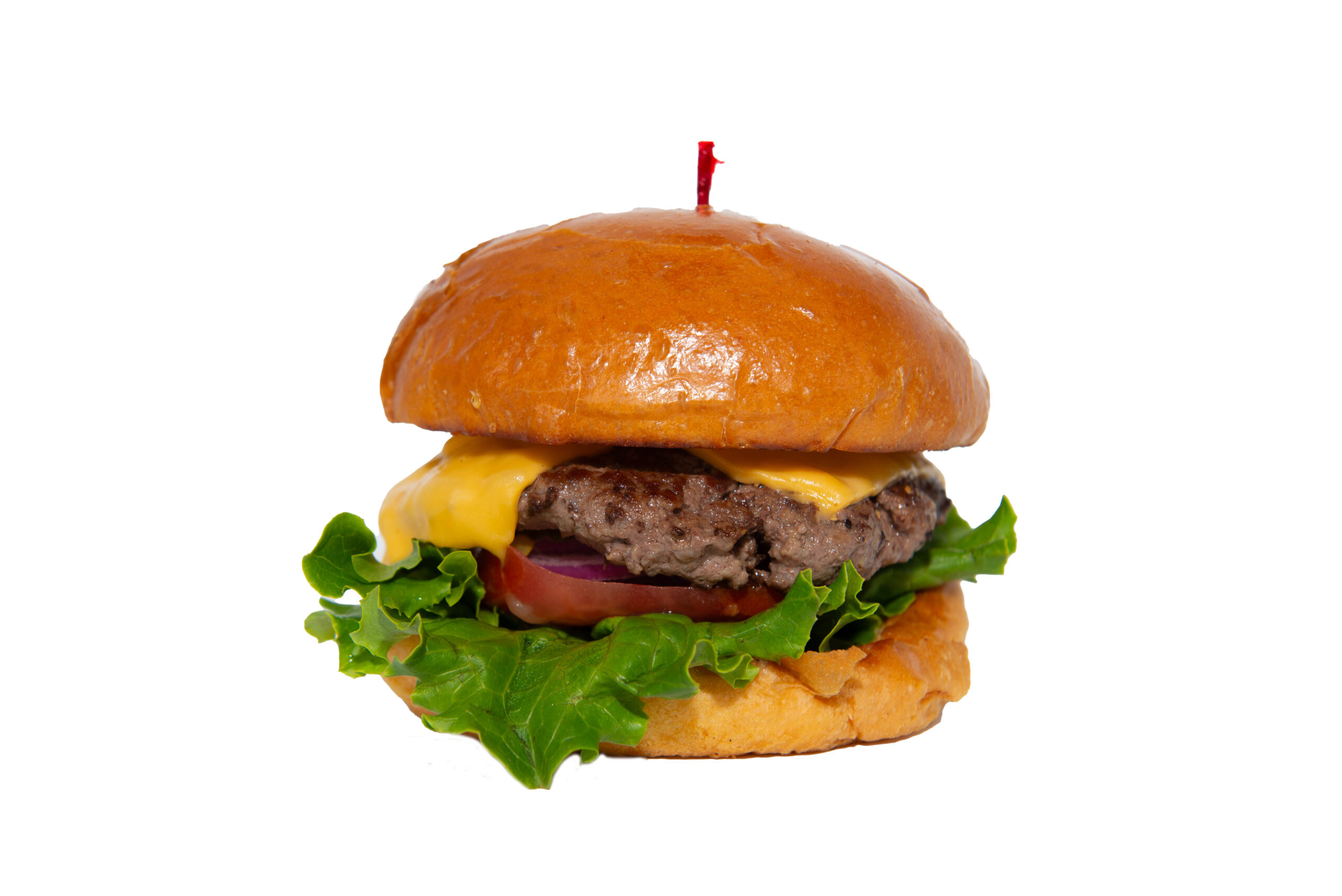
The Bistro Burger
[ˈbiːstroʊ /ˈbɜːr.ɡər/] noun
A style of hamburger popularized in the early 21st century, typically 6 ounces or more and served on split brioche bun. Commonly found with oversized ingredients and niche add-ons.
Examples: Haystack Burgers and Barley and Shady’s Burgers & Brewhaha.
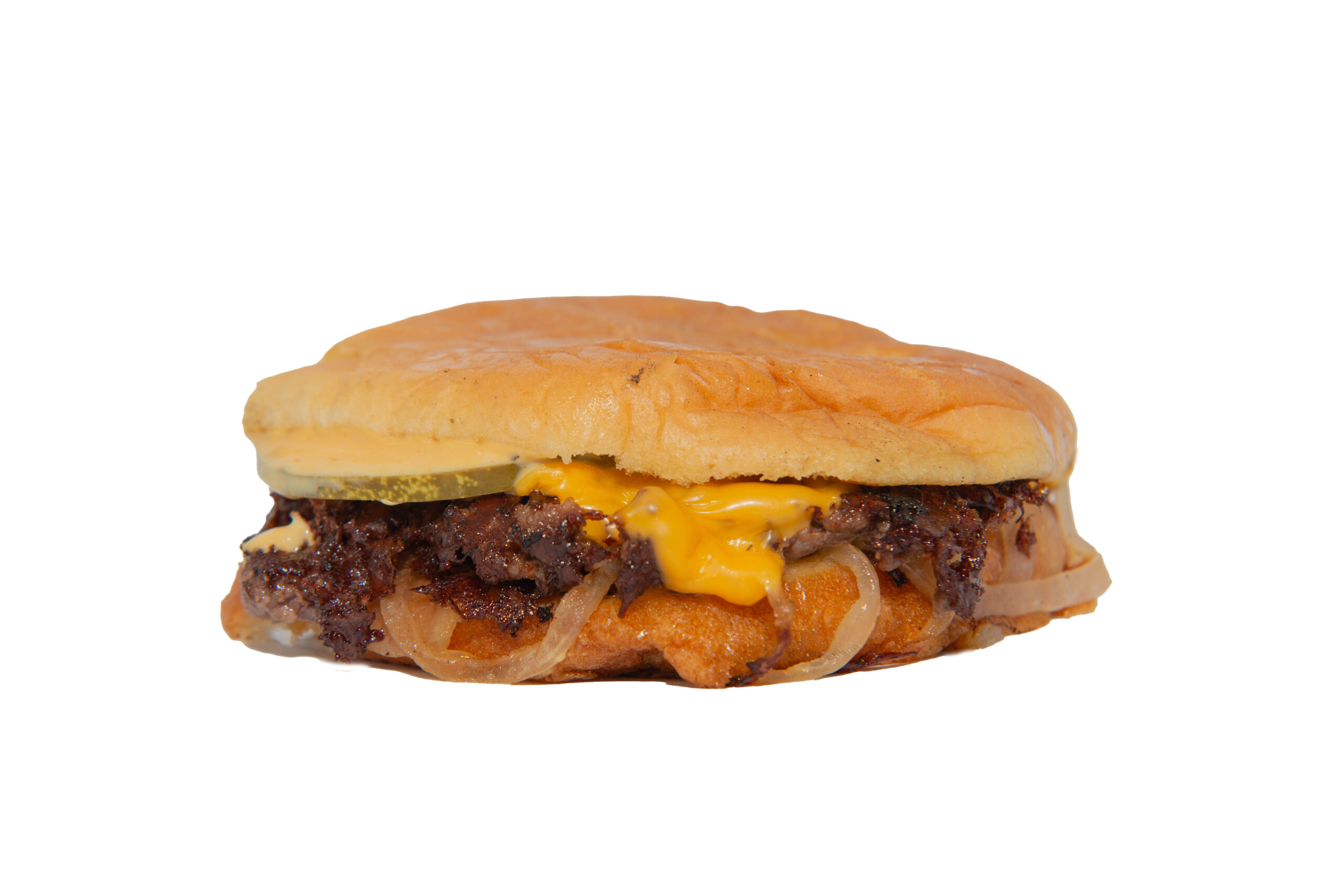
The Smash Burger
[/smæʃ/ /ˈbɜːr.ɡər/] noun
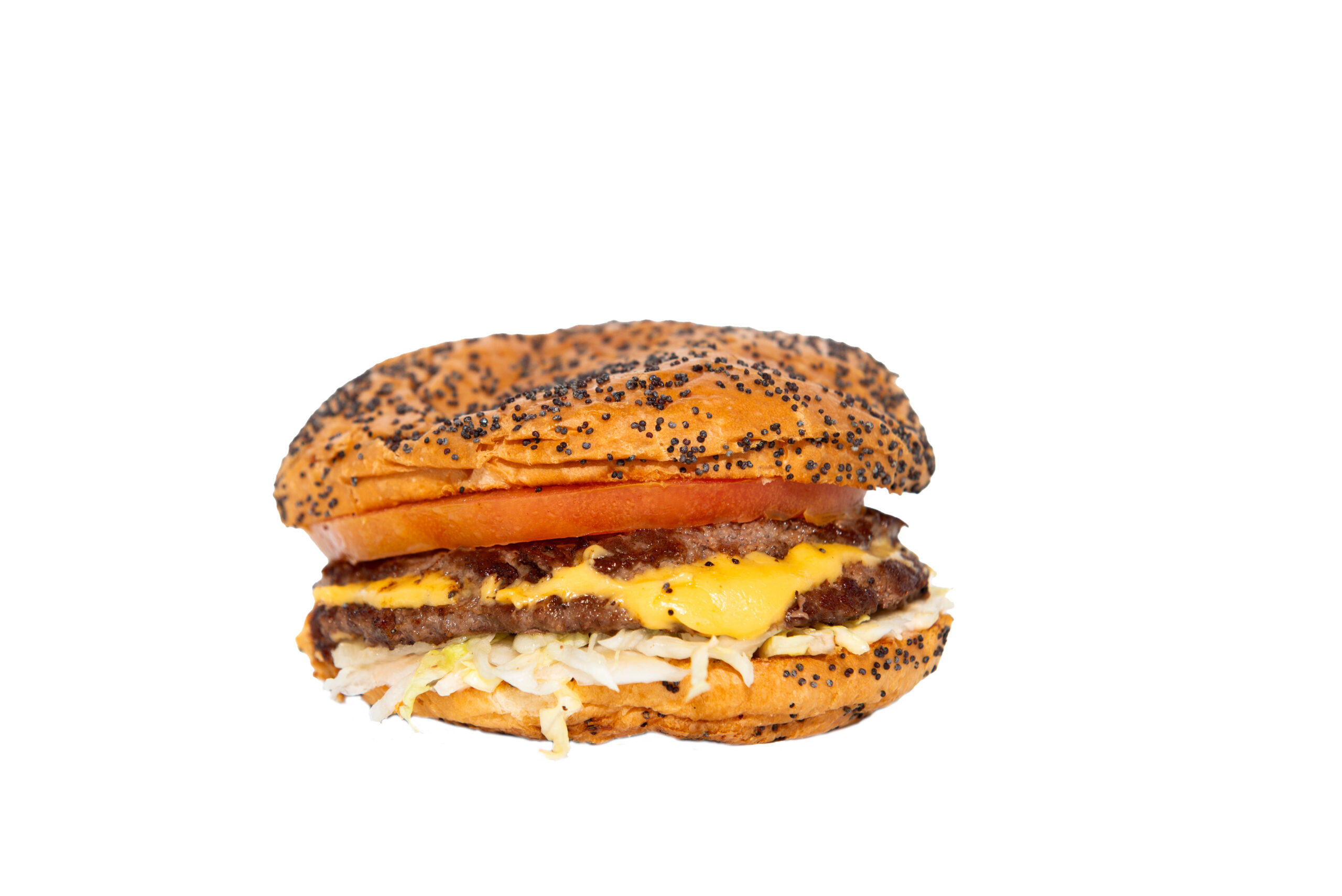
Type of hamburger made by pressing ground beef balls onto a hot griddle with sweet onions and topped with yellow cheese. Characterized by irregular patty surface area and crisp edges.
Examples: Burger Schmurger.
Classic fast food burgers
Nostalgia for classic fast food favorites like Keller’s has been cited as a driver for the smash burger craze.
Kevin Galvan owns Haystack Burgers, a local four-restaurant chain that specializes in the bistro-style burgers of the 2000s. While he is rebranding the original Haystack restaurant in Richardson to a smash burger concept, he says he still prefers patties on the heavier side.
“I like a burger that’s going to be juicy,” Galvan says. “When you bite into it, it kind of spits on you. Your mouth is full of flavoring. Some people call it grease. I’ll call it flavoring. But smash burgers are great. The flavor profile is different. But they have to be done right, because some people tend to dry them out too quickly and cook them, and they’re real dried out.”
It might seem like smash burgers will dominate the entirety of the 2020s, just as the bistro burger did in previous decades. But, an article by SFGATE suggests bistro burgers have begun to make a comeback as the market saturates with pressed patties, especially in sit-down restaurants. At Goodwin’s on Greenville Avenue, Lake Highlands neighbor Jeff Bekavac’s GW Burger — decidedly bistro in style — has drawn praise from critics and Yelp reviewers alike.
So, which style will win out in the later half of the decade? It’s still unclear, but we’ll likely see it play out in some small part right here in Lake Highlands.