Photography by Justin Schwartz
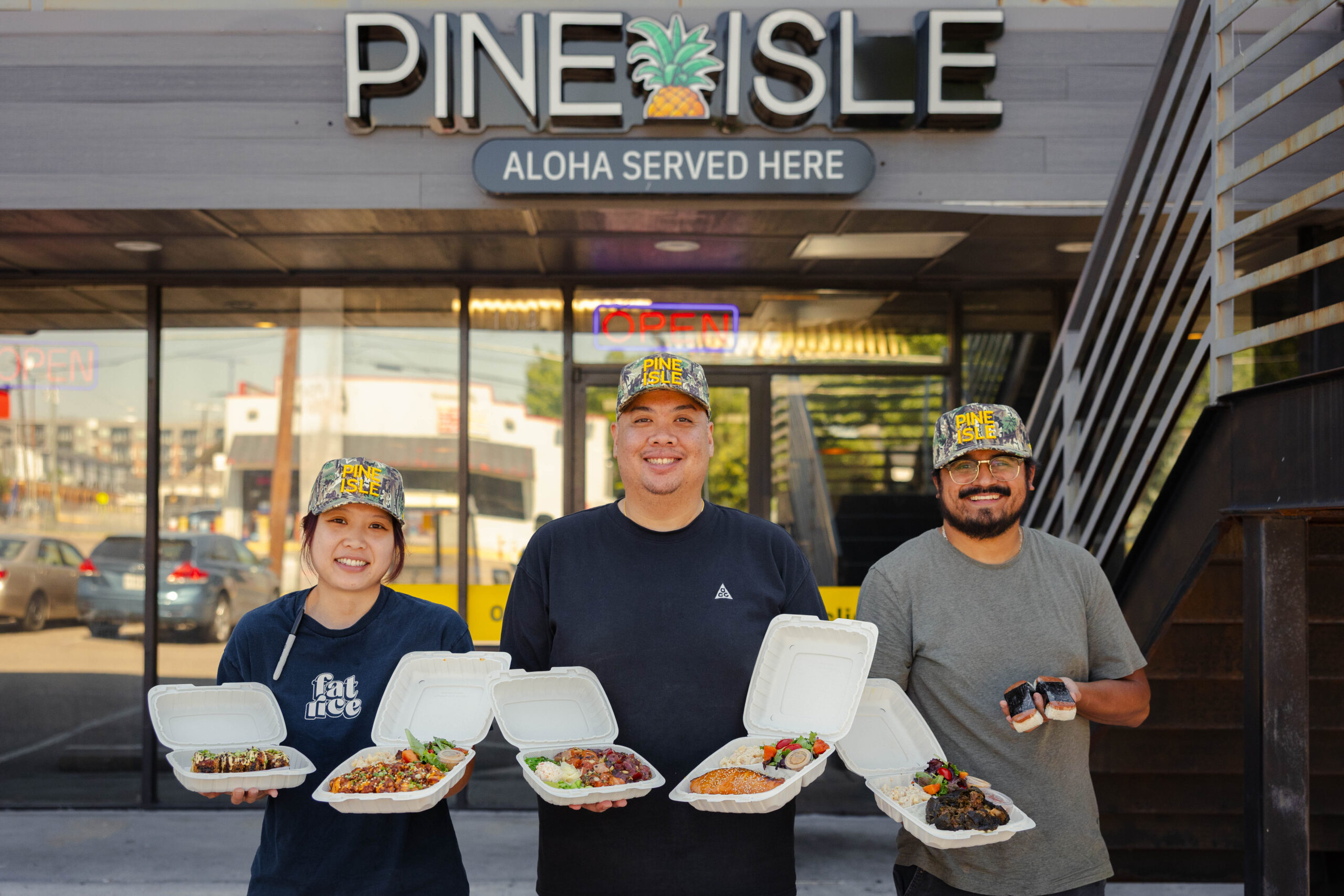
Local Hawaiian food eatery Pine Isle occupies a humble space in the small shopping strip on the corner of Capitol and Fitzhugh Avenues.
The space communicates what chef and owner Kevin Singharaj wants it to. Pine Isle is all about the food.
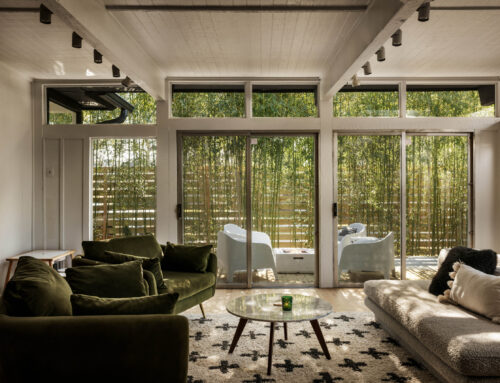
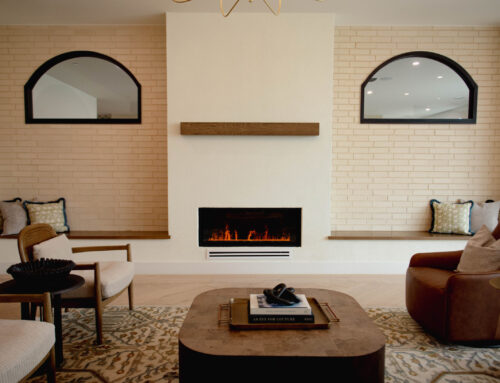
Nestled next to ZAAP Kitchen, the aesthetics of Pine Isle are minimal — “no frills,” as Singharaj says. Sure, an artistic portrait of a pineapple hangs on one wall; another is decorated with spaced out wooden slats that create a shelf holding knickknacks. There are a few potted plants inside next to the glass storefront.
But Pine Isle is a takeout restaurant, so the inside of the physical space ceases to be part of the experience once the customer leaves. You can eat your food at one of the umbrella-covered picnic tables outside the eatery or choose a different setting to consume your meal. Singharaj says some customers even eat in their vehicles parked outside the shopping center.
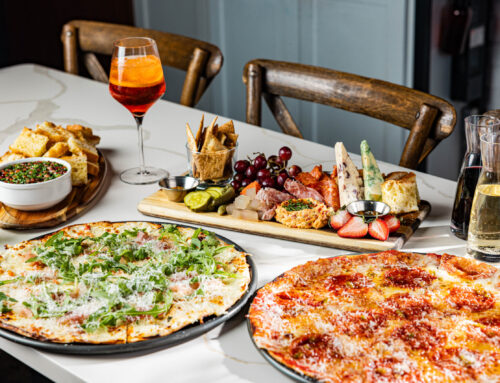
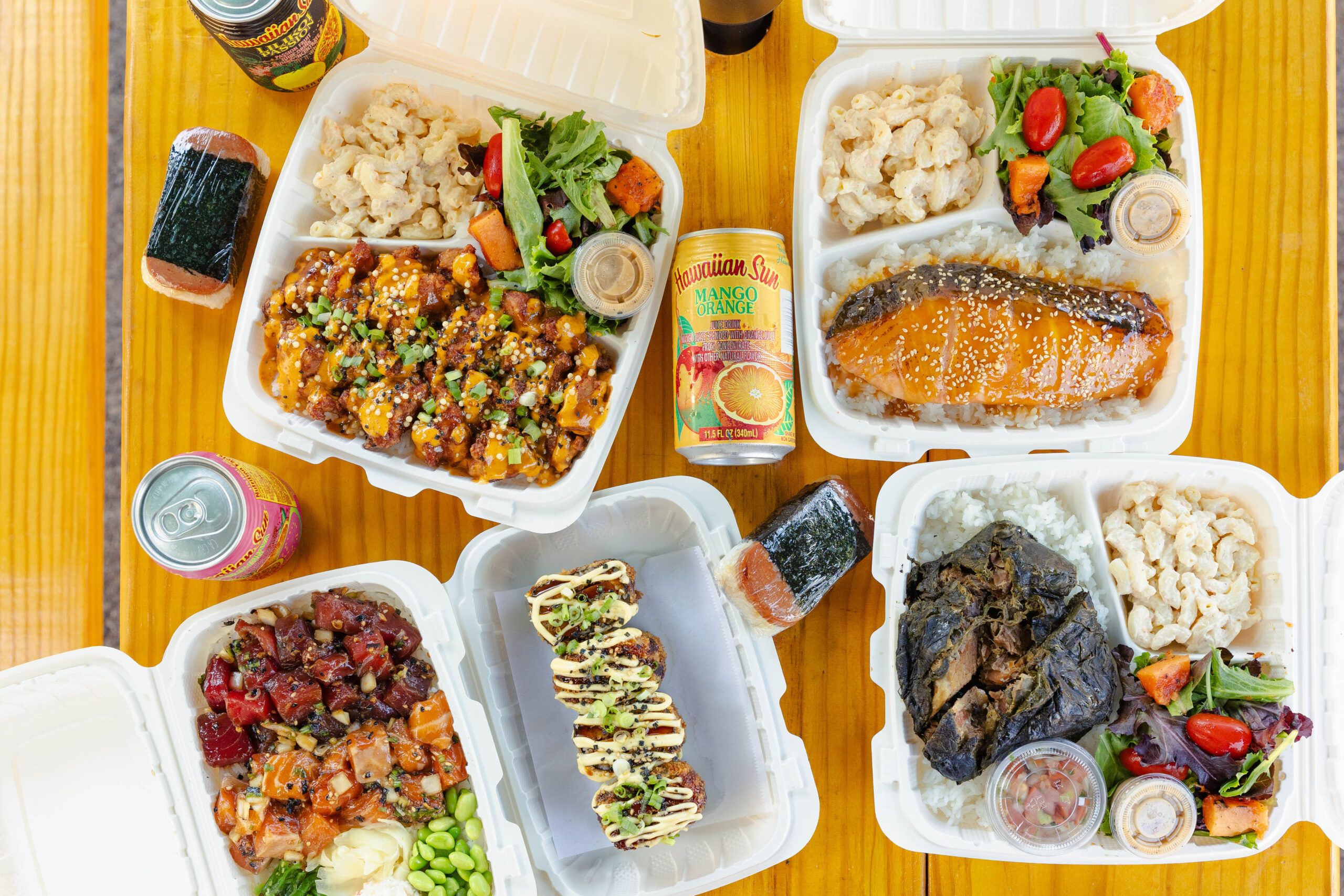
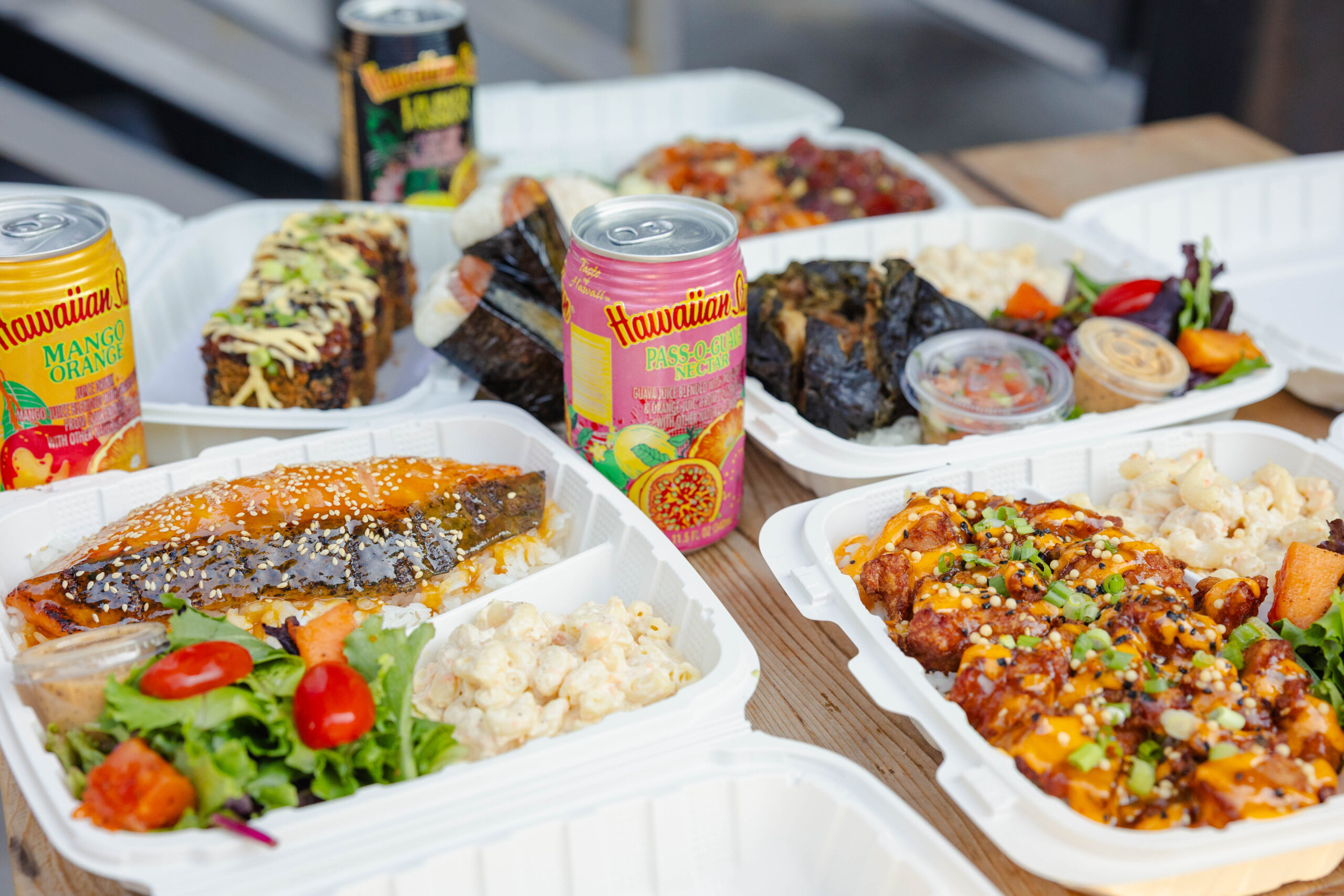
Takeout containers of the regular poke bowl/salad ($16) and mochiko chicken ($15) are filled to the brim. The fried mochiko chicken is crispy and spicy, and it’s placed atop rice, paired with macaroni salad and a garden salad. The regular poke bowl includes two poke scoops (three if ordering the large poke bowl) on rice or salad, and customers choose between shoyu ahi, creamy spicy ahi, gochujang tako, shoyu salmon, creamy spicy salmon and wasabi tako. Krab salad, seaweed salad, edamame, ginger and wasabi also appear on the side.
Pine Isle isn’t the only place in Dallas to get Hawaiian food, but Singharaj emphasizes that his restaurant is like ones found in the Aloha State, serving local dishes eaten by people who grew up there. Because Hawaii itself is a melting pot of different cultures, so is the Pine Isle menu. Chinese, Japanese, Korean and Filipino influences make their way into the food.
Photography by Justin Schwartz
Singharaj is just as humble as Pine Isle appears to be. He grew up in Garland, graduated from Le Cordon Bleu’s former campus in Dallas in 2010 and doesn’t want to brag about having worked at the Dallas location of the fine dining empire Nobu. The only reason he brings it up is because being there is how he got to work on the island Lāna‘i. He trained the staff at Nobu Lāna‘i before being asked to stay in Hawaii, which he did for six years.
“I loved every single moment of it,” he says.
Singharaj first ate the kind of Hawaiian food that inspired Pine Isle at a Lāna‘i takeout joint — a teriyaki burger with kimchi fries.
“I was like, ‘Oh my God, this is my kind of food,’” he says.
Singharaj had poke for the first time in Hawaii and loved it immediately.
Lāna‘i also inspired the restaurant’s name. Much of the island was used for pineapple production for decades in the 20th century, and as such, it was nicknamed Pine Isle or Pineapple Island.
Singharaj eventually moved to Washington around 2016 to open a poke bar before coming back to Texas during the pandemic. That’s when he teamed up with his brother who owns ZAAP Kitchen in Upper Greenville to open more locations of the Lao and Thai food restaurants.
Meanwhile, Singharaj was cooking Hawaiian dishes at home for his wife, Diane Arounyanath, who eventually suggested that they go into business together. That’s how Pine Isle came to be.
“All I ever ask of customers is to come in and try to accept my food the way that it’s supposed to be, versus coming in with an idea of how it’s supposed to be,” Singharaj says. “I’m not trying to win awards. I’m just trying to share a chapter of my life with my hometown because I felt like we had something special to offer.”
Arounyanath already has a full-time job at Bank of America corporate, Singharaj says. For Pine Isle, she manages payroll, human resources and online design. This is the first time she has ever owned a business, so she’s dealt with the stress that comes with her new role, but Singharaj says she has risen to the occasion.
“She’s done a great job, and bless her heart, she’s hung in there. She’s like, ‘OK, babe, I’m ready to retire in five years.’ I’m like, ‘Oh, here we go. A little success and somebody wants to retire,’” he laughs. “But no, she’s been awesome.”
Before, Suite 104 at 2325 Fitzhugh Ave. was Korean coffee shop Tom N Toms, so the space had to be fully renovated to turn it from cafe to kitchen. Since opening in April, Pine Isle hasn’t had trouble finding customers. One video from August on the eatery’s Instagram shows a line of customers extending out of the storefront and wrapped around the corner on Capitol Avenue.
Singharaj recalls Pine Isle being so busy that he felt like he was working on fast forward while jumping around between cooking, packaging food and fixing things.
“I worked every single day for the first four months, and I literally felt it. I felt the growth,” Singharaj says. He compared the ebb and flow of learning to manage the pace before getting slammed again to riding a roller coaster.
Photography by Justin Schwartz
Nowadays, Pine Isle has a general manager and kitchen manager, so Singharaj is utilized for emergencies, to fill in for absent workers or bring in supplies as needed.
Providing quick, friendly service and dishes that are plated with purpose is important to Singharaj, even while serving takeout meals only. This is where he brings in his experience with fine dining, and he praised the hard work of the Pine Isle staff to keep up with high standards. Meals are made to order, and the goal is for the wait time to be no longer than 15 minutes.
“You can tell that the food was made with care,” Singharaj says. “It’s not just like slop thrown on a plate.”
Singharaj is vying for a place at the State Fair next year, which would give him a chance to put a new spin on Pine Isle menu items for the Fair — loco moco burgers, fried musubi, garlic shrimp wraps, kimchi fries.
“There’s definitely nobody like us in the State Fair,” he says.
Pine Isle, 2325 N. Fitzhugh Ave., Suite 104, 214.468.4253, alohapineisle.com