Stop being surprised.
That’s what Amy Jones wants at the moment.
“I have so many conversations with people, and they’re like, ‘What?! I had no idea,’” she says. “I need people to stop being surprised so that we can all get to work together changing this and supporting survivors.”
In Texas, two in five women have been sexually assaulted and one in five men have been sexually assaulted. It’s one of the most underreported crimes.
“I would really love for people to open their eyes and realize that there are people very close to them who are hurting and who have been harmed,” says Jones, the CEO of Dallas Area Rape Crisis Center (DARCC).
She always knew that she wanted to do something in human rights, especially in the area of violence against women and children.
“I can’t not see the power imbalances. I have a really hard time ignoring when people who are in positions of power abuse their power, which is at the very heart of violence against women and children,” she says. “I think, like a lot of people in this work, we do it because we’re wired that way, and once we see it, we can’t unsee it.“
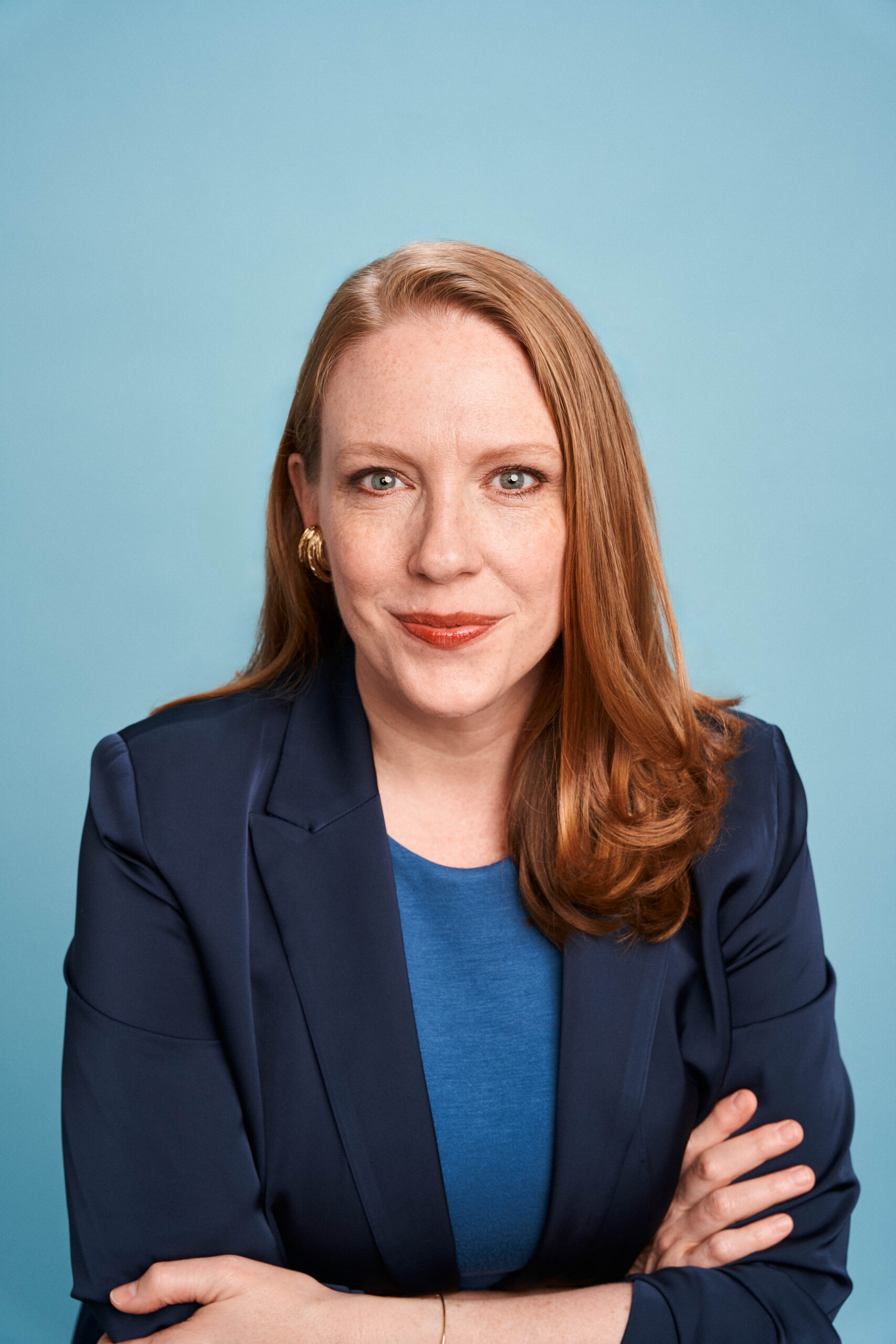
Photography by Ethan Good

Jones has spent more than 20 years working in nonprofits focused on support for survivors of domestic and sexual abuse. A Texas native, she was born in Corsicana, lived in a Houston suburb during high school, went to Austin to study cultural anthropology at the University of Texas, then to Waco before spending a year teaching English in Ukraine in 2000 and then landed in East Dallas 24 years ago.
She worked at the now-defunct Victims Outreach, which served survivors of sexual violence, while working on her master’s degree in counseling at the Dallas Theological Seminary in the early 2000s. Her next stop was at the Turning Point Rape Crisis Center in Collin County as a therapist and clinical director before working at Salvation Army’s domestic violence program. Then a stint at Homeless Outreach Center of Hope, then back to Turning Point and to Genesis Women’s Shelter before joining DARCC in 2018.
In 2007, the Dallas County Sexual Assault Services started and then in 2009 became a 501(c)(3)as DARCC. The organization launched their 24-hour sexual assault hotline. The hotline gets anywhere from 3,000 to 5,000 calls yearly, with spikes during holidays and hot weather. Walk-in crisis intervention, case management, legal help, hospital accompaniment and counseling are provided for anyone 13 years old and older. Clients who have experienced any type of sexual assault, whether it happened 20 years ago or presently, can utilize DARCC’s services.
“Dallas was a little late to the game and getting a formalized response together before it existed,” Jones says. “There were a lot of people who were doing the best they could … The fact that there’s one organization that’s committed to doing this work communicates to people that this matters, that we see it, that we know it’s an issue, that we are here to support you. And as an organization, we’re going to be at all the tables that we can be at to try to address those underlying social norms that allow this violence to continue to be perpetrated.”
Success and impact in an organization like DARCC is measured in so many different ways. It might be that a client is able to sleep without nightmares or able to have a healthy relationship.
“I think it’s a lot of little successes along the way,” Jones says. “At the end of the day, the survivor is the one who defines that for themselves, and that may change over time for them too. I think for me, leading this organization, success is we have the sustainability to continue to show up as long as survivors need us.”
Their staff of 25 full-time employees and about 100 volunteers ranges from college students to retired folks. For those monitoring the hotline, there’s layered staffing, so that volunteers aren’t overwhelmed.
“We have so many amazing volunteers,” Jones says. “The common thread is just a passion and a commitment. You can’t do this if you’re not deeply passionate, deeply committed. It’s just not the kind of work that anybody could sustain.”
She’s not the type of CEO who’s up and at’em at 4:30 a.m. Her days usually start about 6 a.m., getting herself and her 5-year-old ready for the day. There’s the typical slew of meetings and computer time.
“I don’t want an organization that is shaped like me. And I think that any leader in an organization has to be mindful of that dynamic,” Jones says. “So for me, that requires a lot of personal reflection and a lot of growth and a lot of humility trying to make sure that I’m not coming here doing what Amy wants to do. That I am coming in and paying attention to what does this organization needs.”
There’s a treadmill in her office she uses throughout the day, there’s most likely a podcast playing, and if she needs a slower moment, she practices Kripalu yoga.
“My mind never stops,” she says. “I know what I need to do to find a place where things are a little bit quieter. I don’t have an expectation of silence or total peace in my brain. Somewhere in the middle is always good for me, where it doesn’t feel like a tornado in there. I’m good with some level of noise and movement and energy. That’s what keeps me moving forward.”